Pancakes, Props, and People: The Saturday Morning Ritual That Keeps Small Airfields Alive
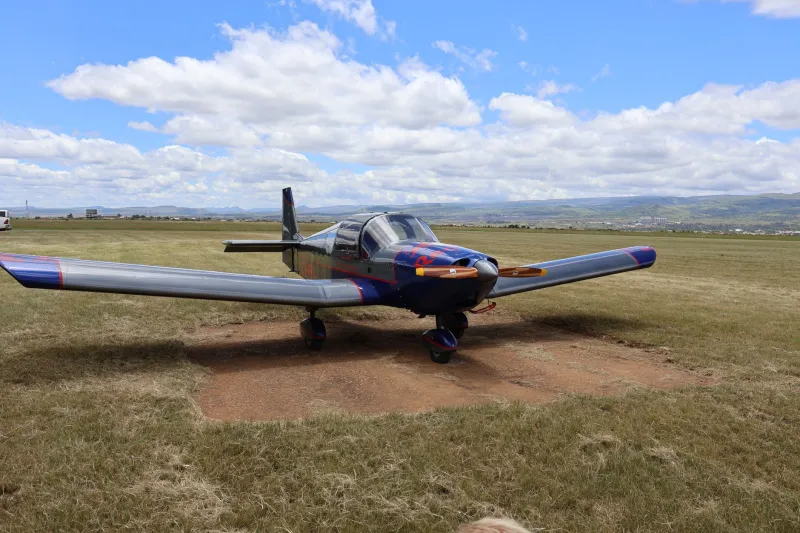
Long before the first Cessna touches down on a dewy Saturday morning, the coffee is already brewed. Somewhere near the hangar, a volunteer is cracking eggs by the dozen. A folding table gets dragged into the sunshine. Somebody's kid is chasing a dog across the grass. And just like that, another fly-in breakfast is underway at a small American airfield.
If you've spent any real time in sport aviation, you know exactly what this scene looks like. These informal weekend gatherings — pancake breakfasts, fly-in brunches, coffee-and-donuts mornings — are a fixture of small-airport life across the country. They're low-key, unpretentious, and wildly effective at doing something that no formal aviation event has ever quite managed: making everyone feel welcome.
How It All Started (And Why It Stuck)
The fly-in breakfast didn't emerge from some aviation marketing committee. It evolved organically from a simple truth: pilots like to fly somewhere, and they like to eat. Put those two things together on a Sunday morning with a grass strip and a few volunteers, and you've got the basic recipe.
The tradition traces back decades, with EAA chapters and local flying clubs hosting informal gatherings as a way to draw traffic to small fields and give pilots an excuse to log cross-country hours. What nobody fully anticipated was how deeply these events would embed themselves into the culture. Today, some fly-in breakfasts have been running continuously for 30 or 40 years. Regulars talk about them the way people talk about family reunions — you just go, every year, because that's what you do.
Dave Kowalski, who helps organize a monthly breakfast at a small grass strip in central Wisconsin, puts it plainly: "We started this thing to give people a reason to fly in on a slow weekend. Now half the guys who come have been showing up for fifteen years. It's not really about the pancakes anymore."
More Than Maple Syrup
Here's the thing that outsiders often miss: fly-in breakfasts function as the most effective aviation recruitment tool in existence, and nobody planned it that way.
When a curious non-pilot drives out to a small airfield on a Saturday morning and pays four dollars for a plate of scrambled eggs, something happens. They watch a Piper Cub grease a landing on a turf runway. They overhear two old-timers arguing about carburetor heat. They get talking to a student pilot who's two lessons in and absolutely buzzing about it. And somewhere between the coffee refill and the walk back to their car, a seed gets planted.
Regulars at these events will tell you they've watched it happen dozens of times. The person who showed up just because their neighbor mentioned it. The family that wandered in off a county road. The teenager who spent the whole morning watching aircraft and didn't say a word to anyone — and then came back the following week, and the week after that.
Marcy Tillman, who's been attending fly-in breakfasts at her local airfield in rural Tennessee for going on twelve years, remembers her own introduction clearly. "I wasn't a pilot. I didn't know anything about aviation. My husband dragged me out there one April morning and I thought it sounded boring. I had my private certificate eighteen months later."
The Financial Reality Nobody Talks About Loudly
There's a practical dimension to fly-in breakfasts that deserves more credit than it usually gets. Small general aviation airports — especially the privately owned and public-use grass strips that sport pilots love — operate on razor-thin margins. Fuel sales help. Tie-down fees help. But neither of those things builds community awareness or draws in new faces.
A well-run fly-in breakfast does both, and it generates revenue in the process. Admission fees, donation jars, raffle tables — none of it sounds like much, but across a flying season it adds up. More importantly, it keeps the airfield visible to the surrounding community. Local residents who might otherwise be indifferent to the airport down the road become familiar faces at the breakfast table. That familiarity matters enormously when zoning disputes arise, when noise complaints get filed, or when a local government has to decide whether a small airport is worth maintaining.
"This breakfast is the reason half the town knows we exist," says Tom Ferrara, a fixed-base operator at a small field in upstate New York. "People come for the food, they stay for the airplanes, and then they tell their neighbors. We've had people show up who didn't even know there was an airport three miles from their house."
What Makes a Great Fly-In Breakfast
Not all fly-in breakfasts are created equal. The best ones share a few common traits that go beyond the quality of the syrup.
Genuine hospitality. The moment a first-timer steps onto the ramp and someone walks over to say hello — not to sell them anything, just to say welcome — the whole tone is set. Experienced pilots at the best fly-ins are remarkably good at reading who's new and making them feel included without making a big deal about it.
Accessible aircraft. There's something almost magical about being able to walk up to a beautifully restored Stearman or a homebuilt RV and have the owner spend twenty minutes explaining every detail. The best fly-in breakfasts turn the ramp into an informal airshow where curiosity is encouraged.
A reason to linger. The events that stick in people's memories aren't the ones where everyone eats and leaves. They're the ones where conversations stretch into late morning, where someone pulls out a sectional chart to plan an impromptu formation flight, where a group of strangers ends up spending three hours together without anyone checking their phone.
Low pressure. This one is huge. Fly-in breakfasts work precisely because there's no agenda. No keynote speaker. No registration booth. No name badges. You show up, you eat, you talk airplanes. The informality is the whole point.
Finding Your First One
If you haven't made fly-in breakfast a regular part of your flying life, the barrier to entry is about as low as it gets. The EAA's website maintains a searchable events calendar that lists chapter fly-ins across the country. Local flying clubs post their schedules on social media and bulletin boards. Airport managers almost always know which nearby fields run regular events.
If you're a student pilot or thinking about learning to fly, showing up at a fly-in breakfast before you ever set foot in a cockpit is genuinely one of the best things you can do. You'll absorb more about aviation culture in a single Saturday morning than you could from weeks of reading.
And if you're already a pilot who's somehow let this tradition slip off your radar — maybe it's been a few years, maybe your home field doesn't run one — consider this your nudge. Find one within a reasonable flight. Put it on the calendar. Show up hungry.
The pancakes are usually pretty good. The company, almost always, is better.