Plan Your Own Flying Vacation: A Sport Pilot's Guide to the First Multi-Day Cross-Country
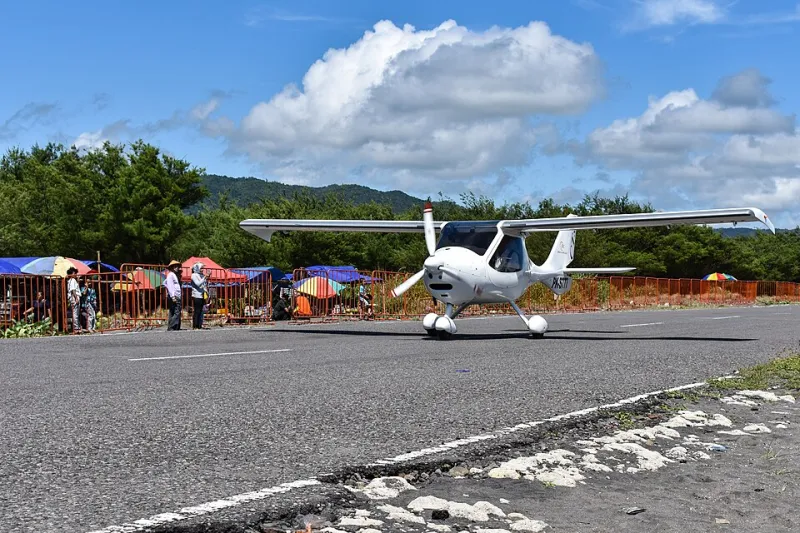
Photo: Yan Irvan Ardi Ristanto, CC BY-SA 4.0, via Wikimedia Commons
At some point, almost every sport pilot has the same thought: What if I just flew somewhere and stayed for a few days? Not a day trip. Not a touch-and-go at a nearby field. An actual flying vacation — multiple legs, multiple nights, a real itinerary.
Then the planning anxiety sets in, and the trip stays on the whiteboard.
Here's the thing: a multi-day flying adventure isn't that much more complicated than a long day flight. It just requires a little more structure upfront. Once you've done it once, you'll wonder why you waited so long.
Start With the Shape of the Trip, Not the Destination
Most people approach trip planning backward. They pick a destination and then try to figure out how to get there. For sport pilots, it works better to start with the shape of the journey — how many legs, how long each day, what kind of terrain you want to fly over — and let the destinations emerge from that framework.
A good first multi-day trip for a sport pilot has three to five legs, with each leg running between 90 minutes and two and a half hours. That keeps you comfortable, keeps fuel stops manageable, and leaves enough time at each overnight to actually experience the place.
Think in loops rather than point-to-point routes when possible. Flying out and back on the same route is fine, but a loop gives you new terrain on every leg and tends to feel more like an adventure.
Route Planning Tools Worth Knowing
The days of paper charts and hopeful guessing are behind us. Sport pilots today have access to genuinely excellent planning tools that make routing, weather assessment, and fuel planning far more precise.
ForeFlight remains the gold standard for most GA and sport pilots. Its route planning, weather overlays, and airport information are comprehensive and well-organized. If you're not already using it, a multi-day trip is a great reason to start.
SkyVector is a solid free alternative for initial route sketching. It's not as feature-rich as ForeFlight, but it's excellent for visualizing airspace and getting a sense of routing options before you commit.
AirNav is invaluable for fuel planning — it gives you current fuel prices at airports along your route, which matters a lot when you're budgeting across multiple legs.
For weather, don't rely on a single source. Cross-reference Aviation Weather Center (aviationweather.gov) with your primary app, and build a habit of checking at least 72 hours out, 24 hours out, and the morning of each leg.
The Fuel Math Nobody Explains
Fuel budgeting for a multi-leg trip trips up a lot of first-timers. Here's a simple framework:
Start with your aircraft's published fuel burn rate (usually in gallons per hour). Multiply by your estimated flight time for each leg, then add 20% as a buffer for headwinds, altitude changes, and any unexpected routing. That's your minimum fuel need per leg.
Now check whether your planned fuel stops can actually service your aircraft. Not every small airport has self-serve Mogas or Avgas available. Cross-check on AirNav and confirm via phone or the airport's website before you depend on a particular stop.
A rough rule of thumb for budgeting: assume $80–120 in fuel per leg for a typical LSA on a 90-minute flight, depending on current prices and your aircraft's burn rate. Build a simple spreadsheet with legs, estimated fuel costs, and lodging before you finalize the trip.
Finding Pilot-Friendly Lodging
This is one of the most underrated parts of trip planning, and it's one of the areas where the sport aviation community genuinely shines.
Pilots of America and Fly-In Destinations both maintain community-sourced databases of pilot-friendly accommodations — from airport courtesy cars to B&Bs within walking distance of the FBO. These resources are worth bookmarking.
Many smaller airports have courtesy cars available for transient pilots — often free or for a small donation. A quick call to the FBO before you arrive can save you a rental car expense and connect you with locals who know the area.
For something more memorable, look at airports near state parks or small-town main streets. Some of the best overnight stops in sport aviation aren't at destination airports at all — they're at tiny fields where the FBO manager picks you up personally and points you toward the best diner in town.
Three Real Itinerary Frameworks
The Mountain Loop (Southwest): Base yourself in Albuquerque or Santa Fe and build a loop through southern Colorado — Taos, Alamosa, Telluride (weather and performance permitting), and back. Stunning terrain, manageable legs, and a genuine sense of high-altitude adventure. Note: Mountain flying requires specific preparation. Density altitude awareness is critical.
The Coastal Hop (Southeast): Start at a mid-Carolina field and work your way down through the Outer Banks, then south along the coast toward the Georgia barrier islands. Beaufort, NC and St. Simons Island, GA are both excellent overnight stops with accessible airfields and genuinely good food nearby.
The Fly-In Circuit (Midwest): Plan a summer trip that connects two or three regional fly-ins. The Midwest has an extraordinary density of grass-strip fly-ins from June through August. Linking three of them over a long weekend — with a night at a small-town airport in between — is one of the most enjoyable things you can do in a light sport aircraft.
A Pre-Trip Checklist to Steal
- Route confirmed with alternates identified for each leg
- Weather checked 72 hours, 24 hours, and morning of each leg
- Fuel availability confirmed at each stop
- Lodging booked with airport access confirmed
- Aircraft maintenance current; next inspection date verified
- Insurance reviewed for cross-country coverage
- Emergency contacts have your full itinerary
- Pilot certificate, medical (or BasicMed), and aircraft documents in the cockpit
- Sectionals or digital charts downloaded offline
- FBO contact numbers saved for each stop
The Part That Surprises First-Timers
Almost universally, pilots who complete their first multi-day flying trip say the same thing afterward: it was easier than they expected, and better than they imagined.
The planning felt overwhelming until it didn't. The first leg felt nervous until it felt normal. And somewhere around day two, there's a moment — usually on the ground at a small airfield in a place you'd never have driven to — where it clicks. This is what flying is for.
The trip doesn't need to be ambitious. It doesn't need to be long. It just needs to happen. Pick a shape, sketch a route, make a few phone calls, and go. The village of sport aviation is out there waiting at every small field along the way — and it's a genuinely welcoming place to land.