What Nobody Tells You Before You Start Flying: A Real-World Cost Guide for Sport Pilots
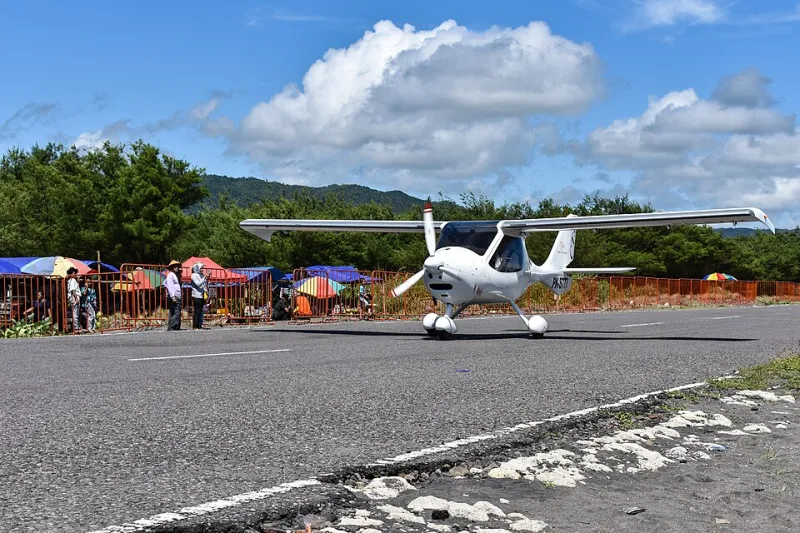
Photo: Yan Irvan Ardi Ristanto, CC BY-SA 4.0, via Wikimedia Commons
So you've caught the flying bug. Maybe you watched a YouTube video of someone landing a Cub on a gravel bar in Idaho, or a buddy took you up in his Light Sport Aircraft on a calm Saturday morning and now you can't stop thinking about it. Welcome to the community — we're genuinely glad you're here.
But before you hand over your credit card for that first discovery flight, let's have an honest conversation about money. Sport aviation is one of the most rewarding pursuits you'll ever take up, and it's also one that has a way of quietly emptying your bank account if you're not paying attention. This isn't meant to scare you off — it's meant to set you up for success.
Getting Certified: The First Big Check You'll Write
A Sport Pilot Certificate is the most accessible entry point into powered flight in the US. The FAA requires a minimum of 20 flight hours, but real-world averages land closer to 35–45 hours before most students are ready to pass their checkride. At typical flight school rates of $150–$200 per hour (aircraft rental plus instructor), you're looking at somewhere between $5,250 and $9,000 in flight training alone.
Then add in ground school (roughly $200–$500 for a structured course), your written exam fee ($175), and the checkride itself ($700–$1,200 depending on your examiner). All told, a realistic budget for earning your Sport Pilot Certificate runs $7,000 to $12,000. Anyone quoting you significantly less is probably not accounting for the full picture.
If you're eyeing a Private Pilot Certificate instead — which opens up more aircraft and airspace — plan on $10,000 to $18,000. The sky is quite literally the limit, and so is the tab.
Renting vs. Owning: Two Very Different Financial Animals
Once you're certified, you've got a choice to make: rent or own. Both paths have merit, and both have costs that aren't always obvious.
Renting looks cheaper on the surface. A Light Sport Aircraft at a local flying club might run $100–$150 per hour wet (fuel included). Fly 50 hours a year and you're spending $5,000–$7,500 annually with zero ownership headaches. No hangar, no annual inspection bill, no surprise maintenance costs. For pilots who fly occasionally, renting often makes more financial sense than most people admit.
Owning feels more romantic — and it is — but the numbers deserve respect. A used Light Sport Aircraft like a Remos GX or Flight Design CTLS might run $60,000–$90,000 on the used market. A classic Cessna 150 or a well-maintained Piper Tomahawk can be found for $25,000–$45,000. Older ultralight-style aircraft and homebuilts can dip lower, sometimes into the $15,000–$25,000 range, though they come with their own considerations.
Here's where ownership gets sneaky:
- Annual inspection: $800–$2,500 depending on aircraft type and what the mechanic finds
- Engine reserve fund: Smart pilots set aside $15–$25 per flight hour toward eventual engine overhaul (a rebuilt four-cylinder Lycoming can run $20,000+)
- Hangar or tiedown: $100–$500/month depending on your region and facility
- Insurance: $800–$2,500 per year for a basic hull and liability policy on a Light Sport Aircraft
- Fuel: 100LL avgas currently hovers around $6–$7 per gallon nationally; a Rotax-powered LSA burning 4–5 gallons per hour adds up fast on longer trips
- Miscellaneous: Headsets, charts, iPad subscriptions, ForeFlight or Garmin Pilot apps, flight bag, pilot supplies — budget another $500–$1,000 upfront and $300–$500 per year ongoing
A realistic annual cost of ownership for a modest sport aircraft, flying around 75 hours per year, often lands between $8,000 and $15,000 when you account for everything. Some years will be cheaper. Some years the engine will find a way to remind you who's boss.
Different Flying Styles, Different Budget Realities
How you fly shapes what you spend. Consider two pilots with identical aircraft:
The cross-country touring pilot flies longer legs, uses more fuel, pays more landing fees at destination airports, and might budget for overnight stays, rental cars, and tie-down charges at unfamiliar fields. It's a wonderful way to fly — think flying into Oshkosh for AirVenture or hopping down the coast — but the dollars add up per trip.
The local pattern and day-trip pilot burns less fuel, stays closer to home base, and keeps costs more predictable. This pilot might spend $3,000–$5,000 a year flying and be perfectly content.
The backcountry and bush flying crowd faces a different set of expenses entirely. Aircraft modifications like tundra tires, STOL kits, and bush-specific gear can add $3,000–$8,000 to an aircraft's cost. Remote operations also mean more wear on landing gear and airframes, which shows up in maintenance bills.
Money-Saving Moves That Experienced Pilots Swear By
Here's the part the flight school brochure definitely doesn't cover — the strategies that veterans wish someone had handed them on day one.
Join a flying club. Seriously. A well-run flying club can cut your hourly flying costs by 30–50% compared to commercial rental rates, and you'll meet mentors who can help you avoid expensive rookie mistakes.
Buy a share, not a whole plane. Fractional aircraft ownership — splitting a plane with two or three other pilots — dramatically reduces fixed costs while preserving the ownership experience. Many of the best hangar-flying friendships start this way.
Learn your aircraft's maintenance basics. FAA regulations allow owners to perform certain preventive maintenance on their own aircraft. Changing oil, replacing bulbs, servicing tires — these are small tasks that add up to real savings over years of ownership.
Don't rush your training. It sounds counterintuitive, but students who study consistently between lessons and show up prepared actually spend fewer total hours (and dollars) reaching checkride standards. Ground study is free. Hobbs time is not.
Time your aircraft purchase carefully. Late fall and winter typically see softer aircraft prices as sellers grow impatient. Buying a well-maintained aircraft with fresh annual inspection paperwork in November or December often yields better deals than shopping in the spring flying frenzy.
The Bottom Line
Sport aviation will cost you more than you initially expect. That's just the honest truth. But pilots who go in with clear eyes, realistic budgets, and a community around them — like what we're building here at Sport Aviation Village — tend to find ways to make it work and keep flying for decades.
The cost of not flying, for those of us who've been bitten by the bug, turns out to be higher than any hangar fee. Know your numbers, plan ahead, and go enjoy the sky.