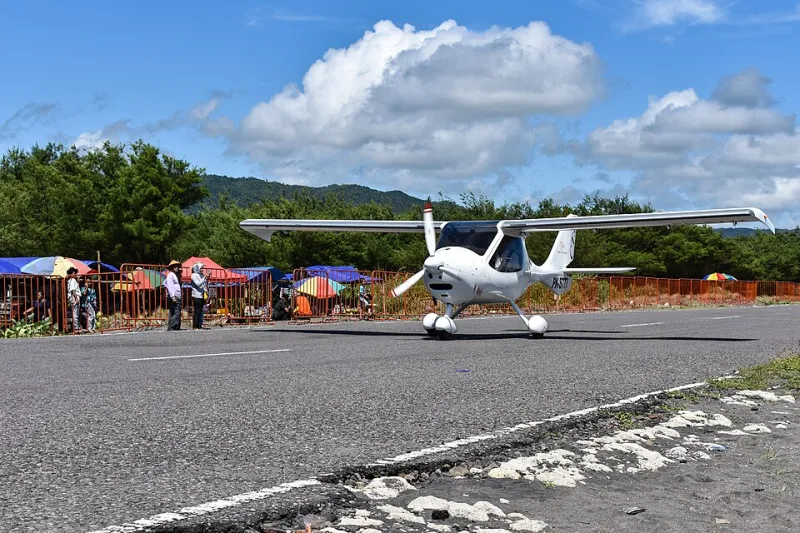
Off the Beaten Taxiway: 10 Remote American Airstrips Every Adventurous Pilot Needs to Fly
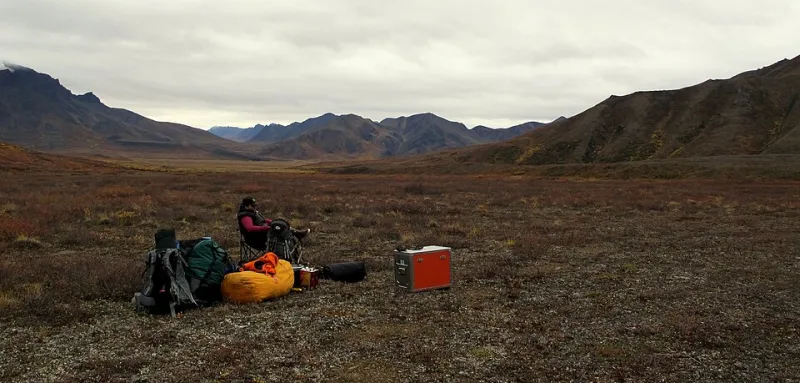
Photo: NPS Photo, Public domain, via Wikimedia Commons
There's a version of flying that happens at big airports with instrument approaches, ATIS frequencies, and ground controllers directing you around acres of concrete. And then there's this — a short gravel bar wedged between canyon walls, a coastal meadow strip with the Pacific Ocean glittering beyond the runway numbers, a high-altitude desert plateau where the silence after engine shutdown is almost physical.
If you've been flying the same local pattern and occasional cross-country for a while, consider this your invitation to go find the edges of the map. We've rounded up ten backcountry and remote airstrips across the US that represent the full wild spectrum of what sport aviation can be. A few quick notes before we dive in: always verify current field conditions before you go, carry appropriate survival and emergency gear, and make sure your aircraft and your skills are genuinely suited to each strip. Backcountry flying rewards preparation and punishes overconfidence.
Now let's go flying.
1. Johnson Creek Airport (3U2) — Boise National Forest, Idaho
If there's a single airstrip that belongs on every serious backcountry pilot's bucket list, it's Johnson Creek. Tucked into a remote river valley in the Frank Church–River of No Return Wilderness, this 3,200-foot strip sits at 4,950 feet MSL and is accessible only by air or a very long hike. The Forest Service maintains a small campground right at the field, making it a legitimate fly-in camping destination.
Approach tips: Expect density altitude to be a real factor in summer. Winds tend to funnel through the valley; always fly the standard backcountry pattern and scout the strip before committing. The turnaround at the north end is tight.
Seasonal note: Typically open late spring through early fall. Check with the Boise National Forest for current conditions.
Why it's special: The combination of wilderness immersion, community campfire culture among visiting pilots, and sheer remoteness makes Johnson Creek feel like a different world entirely.
2. Furnace Creek Airport (L06) — Death Valley, California
At 210 feet below sea level, Furnace Creek holds the distinction of being the lowest elevation public-use airport in the United States. Flying into Death Valley National Park is a surreal experience — the landscape looks almost Martian, and the scale of the valley is hard to comprehend from the ground.
Approach tips: Density altitude is negative in winter (favorable for performance) but can swing dramatically in summer when surface temps routinely exceed 120°F. Summer operations require serious performance planning.
Seasonal note: Winter and early spring are ideal. Summer flying here is for experienced, well-prepared pilots only.
Why it's special: It's Death Valley from the air. Few experiences in American aviation match the visual drama of descending into that ancient basin.
3. Bald Mountain Airport (U68) — Sun Valley Area, Idaho
Another Idaho gem, Bald Mountain sits at 7,400 feet MSL in a stunning alpine setting. The strip is short, one-way in/one-way out, and demands full backcountry discipline. The reward is a mountain environment that rivals anything in the Rockies.
Approach tips: Uphill landing, downhill departure. Non-negotiable. Study the procedures thoroughly before attempting this one.
Why it's special: The approach through mountain terrain is genuinely beautiful, and the strip draws a dedicated community of skilled backcountry pilots who are always happy to share knowledge.
4. Talkeetna Airport (PATK) — Talkeetna, Alaska
Talkeetna is the jumping-off point for Denali climbing expeditions, which tells you something about the environment you're entering. The airport itself is a lively hub of bush flying culture, glacier pilots, and adventure tourism. The surrounding terrain is extraordinary — Denali and the Alaska Range dominate the northern horizon.
Approach tips: Standard operations, but be prepared for rapidly changing weather. Alaska demands conservative fuel planning and thorough preflight weather analysis.
Seasonal note: Summer brings long daylight hours and peak activity. Winter operations are for experienced Alaska pilots.
Why it's special: Nowhere else in the US do you feel the raw frontier character of aviation history quite like Talkeetna. The local pilots here carry on a tradition that goes back to the earliest bush flying days.
5. Sedona Airport (KSEZ) — Sedona, Arizona
Sedona's airport sits atop a mesa, giving it one of the most dramatic settings of any public-use airport in the lower 48. The red rock formations surrounding the field are spectacular from the air, and the visual approach over the canyon country is unlike anything else in the Southwest.
Approach tips: Runway 03 approach over town can be tricky with thermal activity in afternoon hours. Morning arrivals are generally smoother.
Why it's special: The sheer visual drama of the red rock country, combined with a legitimate town destination with restaurants and lodging, makes Sedona a perfect fly-in destination.
6. Concrete Municipal Airport (3W5) — Concrete, Washington
Nestled in the Skagit Valley against the backdrop of the North Cascades, this small Washington state strip offers access to some of the most beautiful mountain flying terrain in the Pacific Northwest. The valley itself is stunning, and the surrounding peaks create a visual feast on clear days.
Seasonal note: Pacific Northwest weather demands careful planning year-round. Mountain wave and rapidly developing IMC are real concerns.
Why it's special: The combination of agricultural valley, river, and jagged mountain peaks creates a flying environment that feels distinctly Pacific Northwest in the best possible way.
7. Mesquite Regional Airport (67L) — Mesquite, Nevada
Sitting at the edge of the Virgin River Gorge and near the Utah border, Mesquite offers desert flying with canyon access and surprisingly comfortable amenities for a remote-feeling destination. It's a solid hub for exploring the Lake Mead and Zion corridor by air.
Why it's special: The approach corridors into and out of Mesquite thread through genuinely dramatic canyon terrain, making for memorable flying even on a routine visit.
8. Middleburg Airpark (VA16) — Middleburg, Virginia
For pilots in the Mid-Atlantic and Southeast, this private-use (with permission) strip in Virginia's horse country offers a taste of classic pastoral flying. Rolling green hills, historic farms, and the Blue Ridge in the distance — it's a reminder that backcountry character doesn't require mountains or deserts.
Why it's special: The lush Virginia countryside from low altitude is genuinely beautiful, and the airfield community here is warm and welcoming to visiting pilots who reach out in advance.
9. Telluride Regional Airport (KTEX) — Telluride, Colorado
At 9,070 feet MSL, Telluride is one of the highest commercial airports in the country and a genuine challenge for piston aircraft. The surrounding San Juan Mountains are spectacular and unforgiving, and the one-way approach into the box canyon demands total precision.
Approach tips: This is not a strip for casual attempts. Density altitude planning is critical, and mountain flying experience is a prerequisite. The standard recommendation is to fly with a mountain-qualified CFI on your first visit.
Why it's special: Successfully landing at Telluride is a legitimate pilot achievement, and the mountain scenery is world-class. The town itself is worth the trip.
10. Stovepipe Wells Airport (L09) — Death Valley, California
Another Death Valley entry, Stovepipe Wells offers a different experience than Furnace Creek — more remote, closer to the dunes, and with a smaller footprint. The surrounding desert landscape is otherworldly, and the sunsets over the Panamint Range from this elevation are unforgettable.
Why it's special: The combination of solitude, alien landscape, and the quiet satisfaction of operating in a place where most people never go makes Stovepipe Wells the kind of destination that defines what backcountry flying is really about.
Before You Go
Every one of these strips rewards pilots who do their homework. Pull the current airport information, check recent pilot reports, consult sectional charts for terrain and airspace, and honestly assess whether your aircraft's performance figures match the conditions you'll face. Bring extra water, a survival kit, and a healthy respect for the environment.
The backcountry flying community is one of the most generous, knowledgeable groups in all of aviation. Reach out to local pilots and flying clubs near these destinations — you'll almost always find someone happy to share local knowledge before your trip.
Now go find your own favorite strip and tell us about it.