Grease and Wisdom: How Small Airfield Mentorship Is Quietly Shaping the Next Generation of Sport Pilots
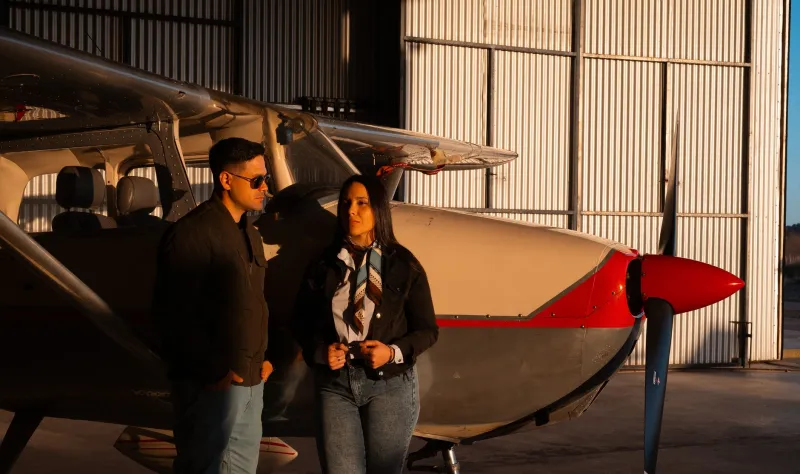
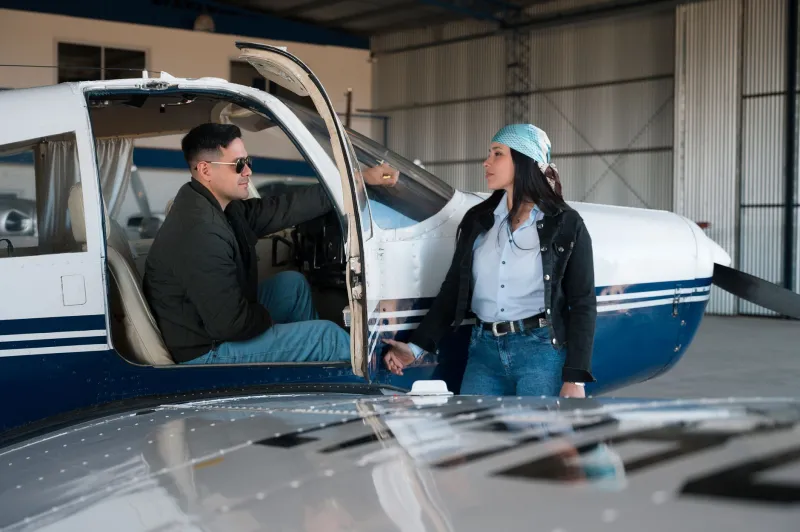
There's a particular kind of education that no ground school syllabus can replicate. It happens in the late afternoon, when the flight activity dies down and someone with a thousand hours and a lifetime of stories leans against a wing strut and starts talking. No formal agenda. No checkboxes. Just real experience flowing from one pilot to another over a shared love of recreational flying.
This is the mentorship culture that's been quietly thriving at small airfields for decades — and right now, it might be more active and more valuable than ever.
Why the Hangar Is a Better Classroom Than You Think
Flight training has a structure to it. You learn maneuvers, log hours, pass written exams, and eventually shake hands with a DPE who signs off your certificate. That process works, and nobody's suggesting you skip it. But the moment the certificate is in your wallet, a strange thing happens: the formal learning pipeline essentially ends, and a new, messier kind of growth begins.
That's exactly where hangar mentorship picks up. Experienced sport pilots — the ones who've been flying Cubs and RVs and Light Sport Aircraft for twenty or thirty years — carry an encyclopedia of situational knowledge that simply doesn't fit in a curriculum. How to read a grass strip that looks deceptively smooth. What a particular engine note means at cruise altitude. How to handle a crosswind at an unfamiliar field when the sock is giving you mixed signals. These are the things you learn by talking to someone who's already made the mistakes.
And at small, community-oriented airfields all over the US, those conversations are happening constantly.
The Informal Flight Review Nobody Talks About
One of the most underrated mentorship tools in sport aviation isn't a formal flight review — it's the casual ride-along that experienced pilots offer to newer ones. A seasoned aviator invites a less-experienced pilot to ride along on a cross-country. Or they hop in the right seat "just to see how things are going" after a friend mentions they've been nervous about a particular maneuver.
These informal check-ins don't carry any official weight, but their practical value is enormous. There's no pressure, no evaluation anxiety, and no paperwork. The newer pilot flies their airplane, and the experienced one offers observations afterward. Maybe it's a note about traffic pattern spacing. Maybe it's a suggestion about fuel planning habits. Either way, the feedback lands differently when it comes from someone who's been in your shoes and isn't grading you.
This kind of low-stakes guidance fills a gap that formal training sometimes leaves wide open. It's the difference between knowing the rules and understanding how to apply them when real-world flying gets complicated.
How to Find Your Mentorship Match
If you're a newer pilot looking to tap into this kind of relationship, the approach is simpler than you might expect — but it does require some intentionality.
Show up consistently. Mentorship at airfields is relationship-driven. The pilots who get the most informal guidance are the ones who are regulars — the people who show up on Saturday mornings not just to fly, but to hang around, help with projects, and be genuinely present in the community. You can't build a mentorship relationship from the parking lot.
Ask good questions. Experienced pilots love talking about flying, but vague questions get vague answers. Instead of "got any tips for cross-countries?", try "I'm planning a trip from here to a grass strip I've never landed at — would you mind looking at my route and telling me what I might be missing?" Specific questions signal that you're serious, and they give the experienced pilot something concrete to engage with.
Be useful. Aviation mentorship isn't a one-way transaction. Offer to help with maintenance tasks, lend a hand pushing aircraft out of hangars, or volunteer at fly-ins. When experienced pilots see that you're genuinely invested in the community — not just looking to extract knowledge — they're far more likely to invest their time in you.
Don't be afraid to ask directly. Some of the best mentorship relationships start with a straightforward ask: "Hey, you've been flying this area for years — would you be open to flying together sometime? I could really use your perspective." Most experienced pilots are flattered by the ask and happy to say yes.
What the Mentors Get Out of It
Here's something that doesn't get talked about enough: the mentorship relationship benefits both parties. Experienced pilots who take newer ones under their wing often say it sharpens their own flying. Explaining concepts forces clarity. Watching a student work through a problem surfaces habits the mentor might not have examined in years. And there's an honest satisfaction in watching someone grow into a confident, capable pilot.
Beyond the personal reward, there's a community stake in it. Sport aviation's future depends on bringing new pilots into the fold and keeping them engaged. Every newer pilot who gets discouraged and walks away represents a loss for the whole community. Mentorship is one of the most direct ways experienced aviators can protect the culture they've spent years building.
At airfields where mentorship is active and visible, you tend to see lower dropout rates, more engaged members, and a general sense that the community is heading somewhere good. That's not a coincidence.
Building Something That Lasts
Some airfields have started formalizing these connections just enough to make them easier to access. Bulletin boards where pilots can post their experience levels and areas of interest. Monthly "ask a pilot" sessions over breakfast. Informal pairing programs where club members are matched based on what they want to learn and what others are willing to teach.
None of this needs to be complicated. The best mentorship networks are light on structure and heavy on genuine human connection. What makes them work is a shared culture — one where experienced pilots see it as part of their role to bring others along, and where newer pilots approach the community with humility and curiosity.
If your home airfield doesn't have that culture yet, consider being the one to start it. Introduce yourself to the guy who's always tinkering in the back hangar. Ask the woman who's been flying her Zenith for fifteen years if she'd be up for a formation flight sometime. Bring coffee. Start conversations.
The wisdom is already out there, parked in hangars and sitting in lawn chairs at fly-ins across the country. You just have to show up and ask for it.