The True Price of Flying: A Brutally Honest Financial Guide for Sport Aviation
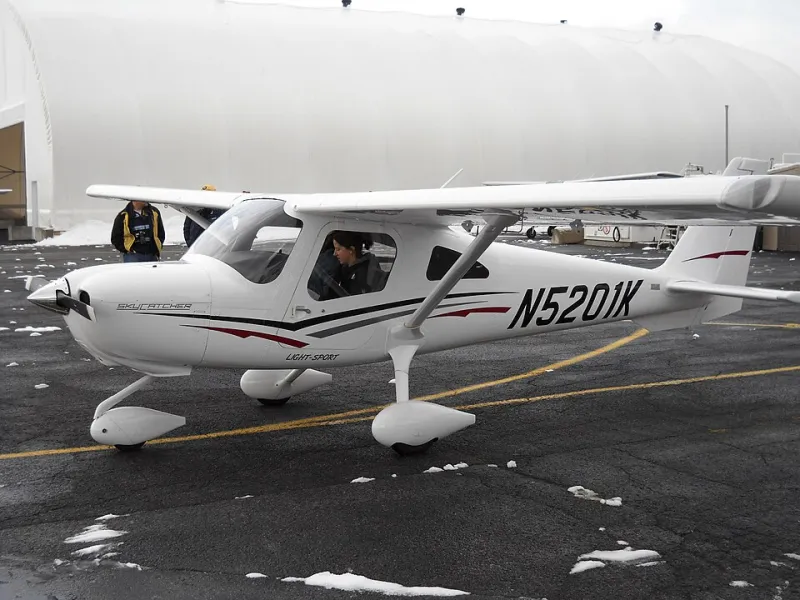
Photo: Ahunt, Public domain, via Wikimedia Commons
Let's start with the number everyone asks about: the hourly rate.
At most flight schools and flying clubs around the country, renting a light sport aircraft runs somewhere between $100 and $175 per hour wet (meaning fuel included). That number is real, but it tells maybe a third of the story. The other two-thirds? That's where a lot of pilots get blindsided.
Whether you're still building hours toward your sport pilot certificate or you're already thinking about ownership, understanding the full financial picture isn't just smart—it's the difference between a sustainable flying habit and one that quietly drains your savings until you're forced to stop.
The Rental Path: Cheaper Than You Think, More Expensive Than You Hope
Renting is how most sport pilots start, and for good reason. No capital outlay, no maintenance headaches, no hangar lease. You pay when you fly and walk away when you don't.
But the hourly rate is only part of the equation. Here's what rental pilots often underestimate:
Instruction and checkride costs. Getting your sport pilot certificate will run $4,000 to $8,000 for most students, depending on how quickly you progress and local rates. That's not a surprise to most people—but the ongoing cost of flight reviews, instrument proficiency, and any additional ratings you pursue adds up over time.
Scheduling friction. When a rental aircraft is unavailable during the weather window you need, you either pay for instruction time you didn't plan on or you simply don't fly. Inconsistent access is one of the top reasons rental pilots build hours slowly and end up spending more per certificate than expected.
Club fees. Many flying clubs charge monthly dues of $50 to $150 on top of the hourly rate. That's $600 to $1,800 per year before you've left the ground. For pilots flying 40-50 hours annually, that overhead is meaningful.
The hidden cost of not flying. Pilots who rent tend to fly less than they intend to. When you're paying per hour and the aircraft isn't available, it's easy to let weeks slip by. Rust builds up. You end up spending money on dual instruction to get your feel back. The sporadic nature of rental flying has a real cost that doesn't show up in any rate sheet.
Ownership Math: What the Sticker Price Doesn't Include
Buying your own aircraft feels like the answer to all of the above—and in some ways, it is. But the purchase price is just the opening act.
Let's take a realistic example. Say you purchase a used Cessna 162 Skycatcher or a Flight Design CTLS in the $60,000 to $90,000 range. Here's what your annual cost structure actually looks like:
Fixed costs (you pay these whether you fly or not):
- Hangar rental: $200–$600/month depending on location ($2,400–$7,200/year)
- Insurance: $800–$1,500/year for a typical sport pilot with a new hull policy
- Annual condition inspection: $500–$1,200 depending on aircraft and mechanic
- State registration/fees: $50–$200/year depending on your state
- Loan interest (if financed): Variable, but on a $70,000 aircraft at 6% over 10 years, you're looking at around $4,500/year in interest alone
Variable costs (tied to how much you fly):
- Fuel: Most LSAs burn 4–6 gallons per hour. At current avgas prices around $6–$7/gallon, that's $24–$42 per hour in fuel alone
- Engine reserve: You should be setting aside $10–$20 per hour toward eventual engine overhaul or replacement
- Maintenance reserve: Budget another $10–$15/hour for unscheduled repairs and consumables
Add it up for a pilot flying 75 hours per year, and the true hourly cost of ownership—fixed costs divided by hours flown plus variable costs—often lands between $120 and $200 per hour. That's right in line with rental rates, but now you have an asset and the freedom to fly whenever you want.
The ownership math starts to genuinely favor buyers when you're flying 100+ hours per year and when you factor in the intangible value of having your own aircraft available on your schedule.
The Partnership Option: Splitting the Difference
Shared ownership is one of the best-kept secrets in sport aviation, and it's worth serious consideration for pilots who want the benefits of ownership without the full financial burden.
A two-way partnership on a $70,000 aircraft effectively halves your capital exposure and your fixed costs. If both partners are flying 50–60 hours per year, the aircraft still gets 100–120 hours of use, which is healthy for engine longevity and keeps the per-hour math favorable.
The keys to a successful partnership:
- Put everything in writing. Maintenance responsibilities, scheduling protocols, and buyout provisions should be documented before money changes hands.
- Find a partner with compatible flying goals. A weekend cross-country pilot and someone who wants the plane every Saturday afternoon will clash.
- Agree on a maintenance standard upfront. Deferred maintenance is the most common source of partnership friction.
Flying clubs with individual aircraft ownership shares—sometimes called equity clubs—operate on a similar model and offer the added benefit of professional management.
The Expenses Nobody Puts in the Brochure
Beyond the big line items, there's a category of costs that surprises almost every new aircraft owner:
Avionics upgrades. That used aircraft you bought probably has older avionics. ADS-B Out compliance has been required since 2020, so most aircraft are already equipped—but upgrading to a modern glass panel, adding a backup instrument, or installing a new COM/NAV radio can run $2,000 to $8,000 depending on what you want.
Tie-down vs. hangar trade-offs. Outdoor tie-downs are cheaper ($50–$150/month), but UV exposure, weather damage, and faster deterioration of rubber components and fabric surfaces can cost you more in maintenance over time. The hangar premium often pays for itself.
Training currency. The FAA requires a flight review every 24 months. Budget $200–$400 for each one. If you're pursuing additional endorsements or working toward a private certificate from your sport certificate, training costs continue.
The upgrade spiral. A headset that seemed fine during training suddenly feels inadequate on a long cross-country. You want a portable GPS backup. Then a better kneeboard, a good flight bag, a tablet mount. These "small" purchases add up to several hundred dollars a year for most active pilots.
Building a Budget That Actually Works
Here's a simple framework for thinking about your flying budget:
- Define your flying goals. Are you flying locally for fun on weekends, or do you want to take trips? Goal-setting changes the ownership-vs-rental math significantly.
- Estimate your realistic annual hours. Most sport pilots fly 40–80 hours per year. Be honest about your schedule.
- Calculate the break-even point. If your fixed ownership costs run $6,000/year and your variable costs are $50/hour, you need to fly at least 60 hours before ownership gets cheaper than renting at $150/hour. Run the numbers for your specific situation.
- Build a reserve fund. Whether you rent or own, set aside money monthly for aviation expenses. Surprises are less stressful when you've planned for them.
Flying is one of the great joys in life. It's absolutely worth the cost for the pilots who love it. But going in with clear eyes about what it actually costs—not just the advertised hourly rate—is what keeps you in the air for the long haul.