From Bush Wheels to Gyrocopters: A Field Tour of Sport Aviation's Strangest Flying Machines
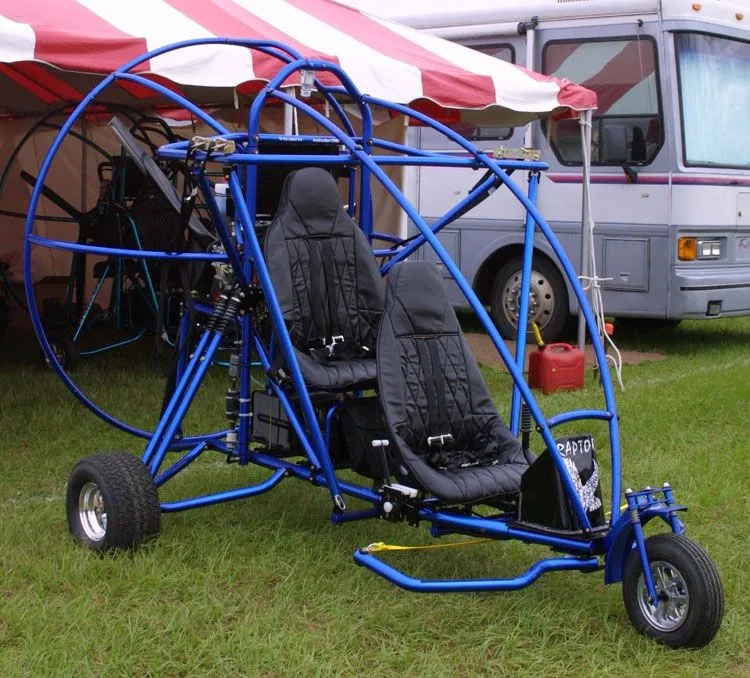
Photo: gyroplane powered parachute trike ultralight aircraft airfield, via i.pinimg.com
Spend a Saturday at any grass strip in America and you'll realize something delightful: there is no single 'sport aviation aircraft.' There's a whole zoo of them. Here's a guided tour of the strangest, happiest machines in the hangar — and why their pilots can't stop grinning.
Powered Parachutes: The Slowest Thrill in Aviation
Picture a shopping cart with a wing — that's the affectionate self-description most powered parachute pilots open with. These ram-air canopies fly at 25–35 mph, which sounds unimpressive until you realize it means you can legally and comfortably fly 200 feet above a hayfield, waving at deer.
Flying one is less 'piloting' and more 'steering a very honest kite.' Push the bars, the wing follows. No wind in your face issues, no complex systems — just you, a giant fan behind your head, and the best view of the countryside since hot air balloons.
Where to learn: dedicated PPC flight parks across Florida, Missouri, and the Midwest offer intro flights; most students solo within a few hours.
Weight-Shift Trikes: A Motorcycle With a Wing
Hang glider pilots got motorized, and the result was the weight-shift control trike — an open-cockpit carriage slung beneath a Rogallo-style wing. You steer by physically shifting the wing, which makes every input feel direct and analog in a way nothing else in aviation quite matches.
Modern trikes from manufacturers like Airborne and Revo fly 60+ mph with suspension and heated grips — yes, heated grips, because your hands are the controls and it gets cold up there. Pilots describe it as the closest thing to a bird's-eye motorcycle ride available in the US.
Where to learn: trike flight schools cluster in California, Texas, and Utah, where the weather cooperates year-round.
Gyroplanes: The Underrated Wonder
The gyroplane might be the most misunderstood machine in sport aviation. That unpowered rotor on top isn't a helicopter rotor — it's an autogyro, spun by airflow itself, while a pusher prop does the actual thrusting. The result: a machine that's nearly impossible to stall, handles crosswinds with contempt, and can fly slowly enough to make helicopters jealous.
Modern gyroplanes from AutoGyro (the German brand that dominates the market) are sleek, enclosed, and shockingly capable. The community is small but fanatical, and the training network is growing fast.
Where to learn: gyro training centers exist in Florida, Arizona, and Texas; expect 20+ hours to proficiency since rotorcraft handling is genuinely different.
Vintage-Style Taildraggers: The Classic That Never Left
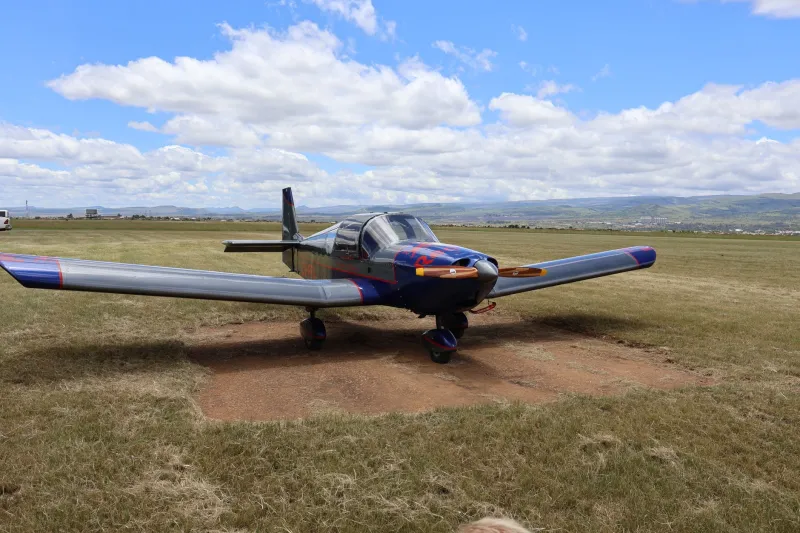
Every list needs the heartthrob, and for sport pilots, that's the modern taildragger. Kit manufacturers like Kitfox, Zenith, and CubCrafters have spent decades refining the classic tailwheel formula: big tires, honest controls, and the ability to land on a river gravel bar without apologizing.
Flying one is a skill — the tailwheel transition is a genuine rite of passage involving rudder discipline and humility. But once it clicks, pilots describe a connection to the airplane that tricycle gear just can't replicate. Plus, nothing gets you invited into backcountry conversations faster.
Where to learn: tailwheel endorsements are available at hundreds of fields nationwide; look for schools near bush strips in Idaho and Alaska for the full experience.
Powered Hang Gliders and Ultralights: The Minimalists
At the far end of the simplicity spectrum sits the Part 103 ultralight — no certificate required, just a single seat, under 254 pounds, and pure flying for flying's sake. Machines like the Quicksilver and various powered hang gliders strip aviation down to its essence: wind, wing, and a two-stroke heartbeat.
Why the Variety Matters
Here's the real takeaway from the tour: sport aviation isn't a single gate you pass through. It's a village with many doors. The parachute pilot who putters over cornfields and the gyro pilot doing touch-and-goes at sunset are having equally legitimate — and equally joyful — aviation experiences.
So next time you're at a fly-in and see something odd taxiing past the pancakes, wander over and ask. In this community, the answer is almost always a story, a lesson offer, and quite possibly your next obsession.