Wrenches, Wings, and Friendships: The Rise of Group Restoration Projects at Small Airfields
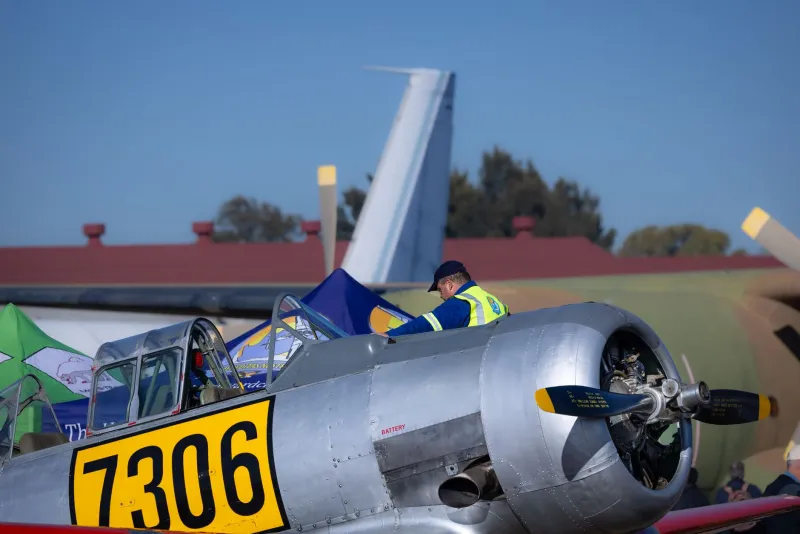
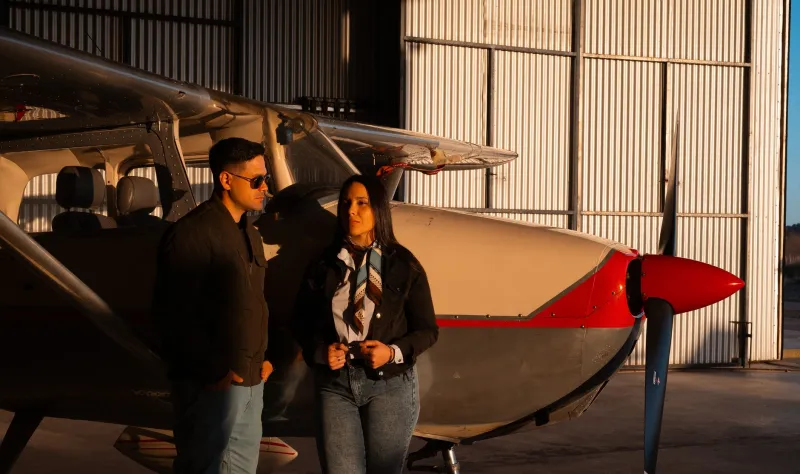
There's a 1946 Aeronca Champ sitting in a hangar at a small grass strip in central Ohio. Its fabric is faded, one landing gear leg needs attention, and the engine hasn't turned over in years. But on Saturday mornings, six pilots show up with coffee thermoses and toolboxes, and for a few hours, that little airplane becomes the center of a community.
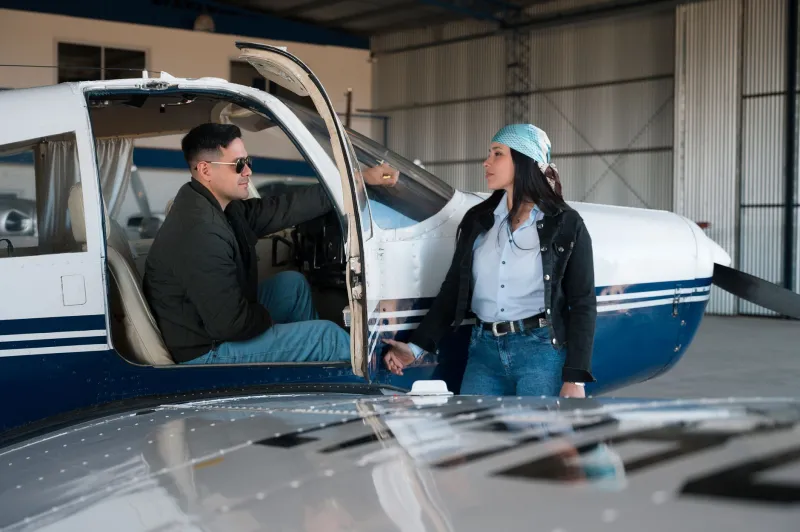
This kind of scene is playing out at small airfields all over the United States. Sport pilots — often drawn together by little more than a shared love of flying and a mutual tolerance for grease under their fingernails — are forming informal restoration groups that are quietly reshaping what it means to be part of a local aviation community. It's less organized than a formal club, more purposeful than casual hangar flying, and surprisingly effective at keeping both old airplanes and aviation friendships alive.
More Than a Maintenance Project
Ask anyone who's participated in a group restoration and they'll tell you the same thing: the airplane almost becomes secondary. Sure, the goal is to get a classic machine airworthy again, but what actually happens over weeks and months of shared work is something harder to quantify.
Skills get passed around freely. The guy who spent 20 years as an A&P mechanic before he retired shows the newer pilots how to properly read an airworthiness directive. The younger sport pilot who grew up tinkering with cars figures out a fabrication problem nobody else could crack. Someone's wife turns out to have upholstery experience and ends up redoing the interior. The project becomes a living, breathing skills exchange — the kind of thing no ground school can replicate.
These groups also tend to attract people who might not otherwise get deeply involved in their local airfield scene. Plenty of pilots show up, fly their pattern work, and head home without ever really connecting with the community around them. A restoration project gives those folks a reason to stick around, a role to play, and a genuine stake in something bigger than their own logbook.
The Economics Actually Work
Let's be honest — one of the biggest draws of collaborative restoration is the cost angle. Vintage aircraft like Piper Cubs, Taylorcraft BCs, Luscombes, and early Cessna 140s are often available for surprisingly low purchase prices precisely because they need serious work. When a group of four or five pilots splits the acquisition cost and then contributes labor rather than paying shop rates, the numbers can start to look genuinely attractive.
Some groups operate on a co-ownership model, where each contributor ends up with a fractional share of the finished aircraft and scheduled access to fly it. Others take a different approach — one person owns the plane outright, but the group restoration arrangement means the labor costs stay manageable, and the owner often provides hangar space or pays for parts in exchange. There's no single formula, and that flexibility is part of the appeal.
The key is getting the arrangement documented upfront. Experienced pilots in the sport aviation world will tell you that the friendships formed over a restoration project are genuinely valuable — and worth protecting with a clear written agreement about ownership, costs, and flying rights before the first wrench turns.
Finding Your Crew
If you're thinking about starting or joining a restoration group at your home airfield, the good news is that the barrier to entry is low. You don't need a massive hangar, a big budget, or a perfectly chosen airplane to get started.
The most natural starting point is usually a conversation at the airport. Mention to a few regulars that you've been thinking about picking up a project plane and see who lights up. You'll almost always find at least one or two people who've been quietly hoping someone else would take the lead on exactly this kind of thing. Airfield bulletin boards — both physical and digital, through platforms like social media groups tied to your local field — are another solid way to float the idea.
When it comes to choosing a project aircraft, the vintage two-seat light planes that fall under the Light Sport Aircraft category or qualify for Sport Pilot operation tend to be the sweet spot. They're simpler to work on, parts and documentation are generally available through active type clubs, and the community of people who know these airframes is surprisingly accessible and generous with advice.
Type clubs are worth mentioning specifically. Organizations dedicated to Aeroncas, Taylorcrafts, Luscombes, and similar classics often have active forums, technical advisors, and annual fly-ins that can become a second community layer on top of your local group. Plugging into that network early in a project can save enormous amounts of time and frustration.
The Intangible Stuff
There's something about working on an airplane together that builds trust in a way that's hard to explain if you haven't experienced it. Maybe it's the fact that aviation maintenance carries real stakes — you're not building a deck or restoring a car, you're working on something that someone is eventually going to fly. That shared responsibility tends to bring out a kind of seriousness and mutual respect that translates into genuine friendship.
Pilots who've been part of these groups often describe the Saturday morning sessions as the part of their aviation life they look forward to most. The actual flying is still the point, of course, but the hangar time — the problem-solving, the storytelling, the arguments about the best way to approach a particular repair — becomes its own reward.
There's also a preservation element that matters to a lot of people in the sport aviation world. Vintage light aircraft are finite. Every Champ or Cub that gets dragged out of a barn and returned to airworthy condition is a small victory for aviation history. Being part of that feels meaningful in a way that's distinct from simply logging hours.
Getting Started Without Overthinking It
The simplest advice for anyone interested in this world: don't wait for the perfect project or the perfect group. Find a plane that's interesting, talk to the people at your airfield, and start showing up. The community tends to build itself once there's something tangible to gather around.
If your home field doesn't have an obvious restoration culture yet, consider being the person who starts one. Put up a note in the pilot lounge. Post in the local flying group online. Ask the airport manager if they know of any project aircraft looking for new owners. The interest is almost always there — it just needs someone willing to light the match.
The airplane in that Ohio hangar? It flew for the first time in over a decade last spring. The six pilots who worked on it took turns in the pattern on a cool Saturday morning, and by all accounts nobody could stop grinning. The Champ didn't care how many hands had worked on it. But the people who'd shown up with their coffee and their tools every weekend for eight months — they knew exactly what they'd built, and it was a lot more than just an airworthy airplane.