Dirt Strips and Tight Budgets: How to Chase Backcountry Flying Without Going Broke
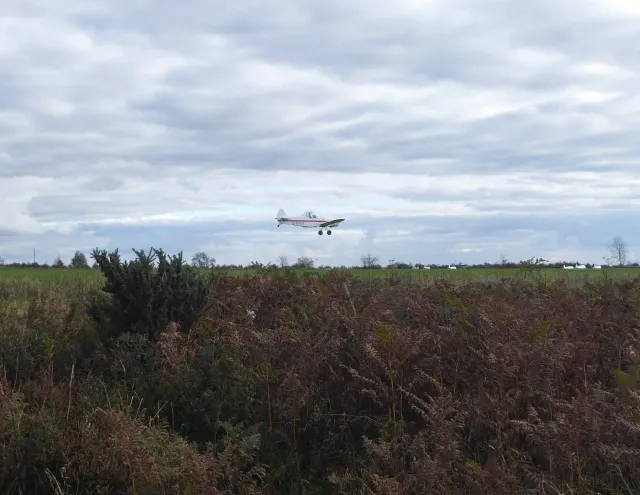
Photo: DS Pugh , CC BY-SA 2.0, via Wikimedia Commons
Somewhere along the way, backcountry flying got a reputation as an expensive obsession — the kind of thing that requires a $150,000 Super Cub, a float rating, and a bush pilot beard that takes years to grow properly. That reputation isn't entirely wrong, but it tells maybe 30% of the full story.
The other 70%? There are legitimate backcountry experiences scattered across this country that are reachable on a modest budget, flyable in relatively simple aircraft, and just as pulse-quickening as anything you'd find in the Alaskan interior. You just have to be willing to do a little homework and let go of the Instagram version of what bush flying is supposed to look like.
What "Backcountry" Actually Means for the Average Sport Pilot
Let's reset expectations in a useful direction. True backcountry flying — the kind with unimproved surfaces, elevation challenges, short field operations, and terrain that demands full attention — doesn't require wilderness. It requires strips that aren't on a paved runway at a controlled airport.
For sport pilots flying Light Sport Aircraft or simple certified planes, "backcountry" can mean a 1,800-foot grass strip in the Ozarks, a river bar landing in central Idaho, a high-desert airstrip in eastern Utah, or a private farm field in the Virginia Piedmont. These aren't consolation prizes. They're legitimate challenges that will sharpen your skills and absolutely get your heart rate up.
The key is finding them, preparing properly, and getting there affordably.
Hidden Strips Worth Putting on Your Map
A few regions of the continental US consistently deliver that backcountry feel without requiring a cross-country expedition:
The Owyhee Plateau Region, Idaho/Oregon/Nevada This high-desert stretch is loaded with remote public-use strips maintained by the BLM and local ranchers. Many are unpaved, some sit above 4,000 feet MSL (density altitude is your homework), and traffic is almost nonexistent. Grasmere, Idaho is a favorite reference point — a tiny community with a dirt strip that feels genuinely remote despite being reachable from Boise in under an hour.
The Ozark Highlands, Arkansas and Missouri Some of the most underrated backcountry flying in the country lives here. Narrow valleys, tree-lined strips, and a culture of small-town hospitality make this region a natural fit for adventure-minded pilots. Arkansas has dozens of private and public grass strips, and landowners in the area tend to be receptive to pilots who ask politely and respect their property.
The Allegheny Mountains, West Virginia and Western Virginia The terrain here is legitimately demanding — ridgelines, mountain weather, and strips tucked into hollows that require careful pattern planning. But it's also surprisingly accessible from major East Coast metro areas. Pilots based near DC, Charlotte, or Pittsburgh can reach genuine mountain flying terrain in under two hours.
The Texas Hill Country Flat? Not really. The Hill Country offers limestone escarpments, cedar-choked canyons, and private strips on ranches that make for memorable cross-countries. The flying community here is active, the weather is generally forgiving from fall through spring, and fuel prices at smaller private strips are often better than you'd expect.
Aircraft That Actually Work for This
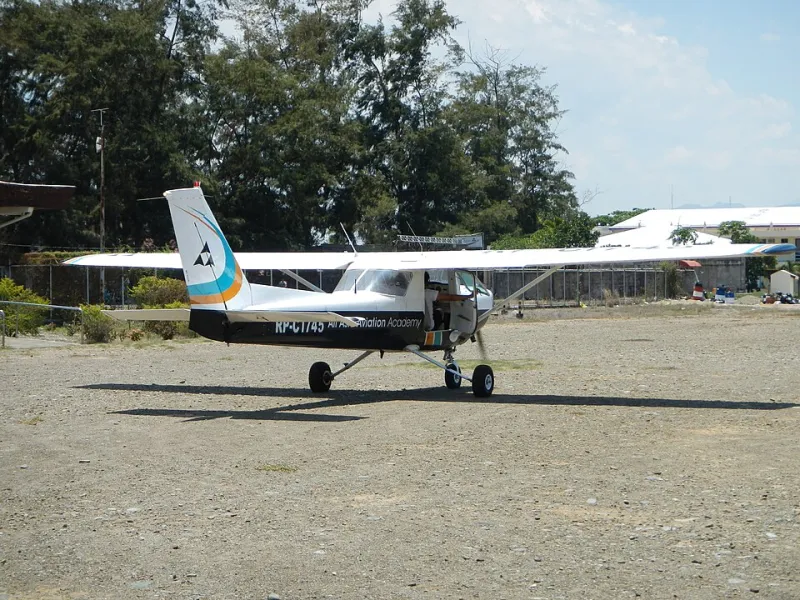
You don't need tundra tires and a STOL conversion to explore these places, though those things certainly help at the more extreme end. For the strips described above, a stock Cessna 150, a Van's RV-12, a Kitfox, or a Zenith 750 will handle most situations comfortably — provided the pilot is honest about the airplane's actual short-field numbers and not the optimistic ones from the POH.
If you're flying an LSA, know your aircraft's actual demonstrated takeoff and landing distances, add a healthy safety margin for elevation and density altitude, and never commit to a strip you haven't scouted on AeroCockpit, Google Earth, or a recent PIREP from someone who's been there.
For pilots who want more capability without a major purchase, consider a partnership. Two or three pilots co-owning a capable backcountry-friendly aircraft — say, a Piper PA-18 or a used Aviat Husky — splits the ownership costs dramatically. Flying clubs focused on backcountry operations have been growing steadily, particularly in the Mountain West. The Idaho Aviation Association and the Recreational Aviation Foundation (RAF) both maintain resources that can connect you with like-minded pilots and club opportunities.
Making the Budget Work
The cost-conscious backcountry pilot has several real tools available:
Fuel planning matters more than you think. Remote strips often have 100LL at surprisingly competitive prices because they're not subsidizing fancy FBO amenities. Filing your route through a smaller public-use airport instead of the nearest Class C can save $1.50 to $2.00 per gallon, which adds up fast on a day trip.
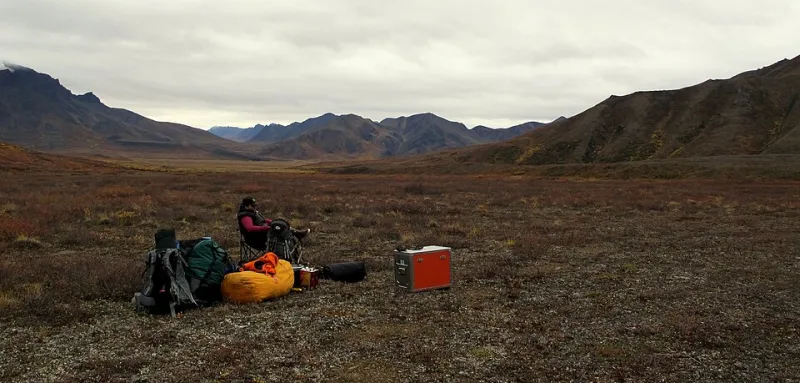
Camp instead of hotel. Many backcountry strips have no services within 30 miles. That's not a bug — it's a feature. Packing a lightweight tent and sleeping bag opens up overnight adventures that a hotel-dependent itinerary can't touch, and it costs almost nothing.
Use RAF and ForeFlight together. The Recreational Aviation Foundation maintains an incredible database of backcountry strip information, including surface conditions, hazards, and community notes. Cross-reference with ForeFlight's airport information and you'll arrive at a new strip far better prepared than pilots who just show up and hope for the best.
Fly with someone who's been there. The backcountry community is generous with knowledge. Post in a regional flying group, reach out through your local EAA chapter, or connect through the RAF's online forums. Experienced backcountry pilots almost universally enjoy mentoring newer ones — there's a strong culture of passing the knowledge along.
The Safety Honest Talk
Backcountry flying carries real risk, and budget-conscious flying shouldn't mean cutting corners on preparation. Short-field operations in high-density-altitude environments are where pilots get into trouble. Study mountain flying techniques even if you're not going to the mountains — the habit of calculating actual performance numbers rather than assuming the POH figures apply to your situation will serve you everywhere.
A mountain flying course from a qualified instructor is one of the best investments a backcountry-aspiring pilot can make. It's not expensive — typically $500 to $1,200 for a structured program — and the confidence it builds is permanent.
The Adventure Is Already Out There
Backcountry flying doesn't have a minimum budget. It has a minimum preparation level. Get that right, choose your routes thoughtfully, and connect with pilots who know the terrain — and you'll find that some of the most memorable flying in America is sitting just off the taxiway, waiting for someone willing to do the work to find it.