Skip the Name Tags: How Fly-Ins Create the Friendships That Networking Events Never Could
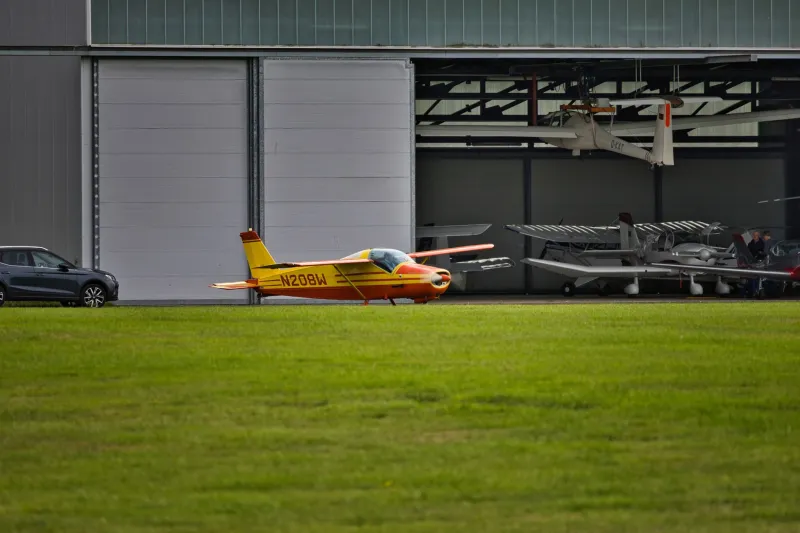
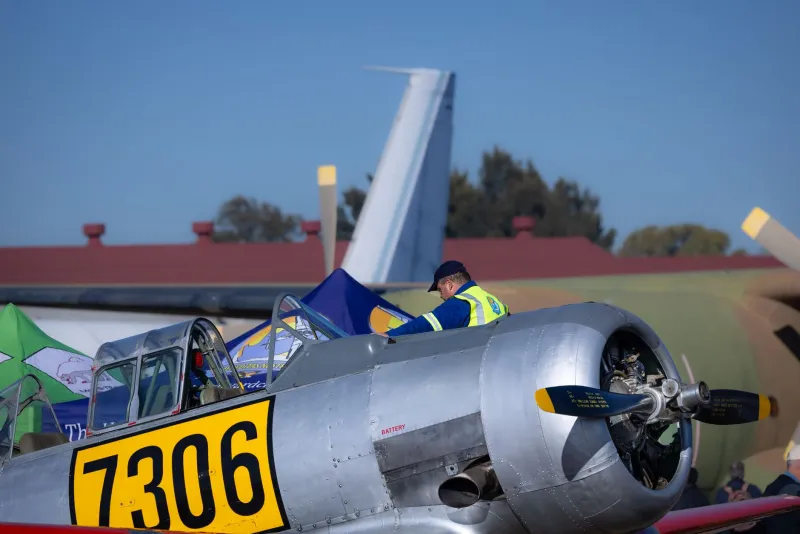
Picture the last professional networking event you attended. The stiff handshakes. The rehearsed thirty-second bios. The slow scan of the room to figure out who's worth talking to. Now picture standing next to a stranger's Kitfox on a dewy Saturday morning, coffee in hand, watching the sun come up over a grass strip in rural Ohio — and somehow ending up in a two-hour conversation about everything from carburetor ice to raising teenagers.
That's a fly-in. And it's about as far from a networking event as you can get.
Sport aviation fly-ins have always been a fixture of the recreational flying world, but their value as genuine social experiences is something that doesn't get talked about nearly enough. Pilots who've been in the community for years will tell you, without hesitation, that some of their closest friendships — and occasionally their most valuable professional connections — came not from LinkedIn or industry conferences, but from a shared ramp at some small airfield they almost didn't bother visiting.
Why Aviation Gatherings Hit Different
There's a psychological reason why fly-ins produce authentic connection faster than most social settings. When people gather around a shared obsession — not just a shared industry or career goal — the usual social defenses drop almost immediately. You already know you have something fundamental in common with every single person on that ramp. You don't have to work toward common ground. You're already standing on it.
Add to that the fact that flying itself is a deeply personal pursuit. It takes courage, discipline, and a willingness to be genuinely humbled by something bigger than yourself. People who fly — especially sport pilots operating on modest budgets with homebuilt or light sport aircraft — tend to carry a certain self-awareness that makes for better conversation. They've made mistakes. They've learned hard lessons. They're not usually interested in posturing.
The result is a social environment that feels refreshingly honest. Ask someone at a fly-in about their aircraft and they'll tell you exactly what's wrong with it, what they love about it, and what they'd do differently if they built it again. That kind of candor is rare anywhere else in adult social life.
The Pancake Breakfast as Social Equalizer
There's a reason the pancake breakfast has become almost synonymous with small airfield fly-ins across the country. It's not just about the food (though a good $8 all-you-can-eat breakfast cooked by the local EAA chapter is genuinely hard to beat). It's about the format.
Sitting down at a long folding table with strangers, sharing syrup, and watching a steady stream of Pipers, Cubs, and ultralights roll in from the east — that setup removes almost every barrier to conversation. There's no agenda. Nobody is trying to close a deal. The guy next to you might be a retired airline captain or a college student who built his first aircraft in his parents' garage. It doesn't matter. The pancakes taste the same either way.
This is something corporate team-building events have tried and failed to replicate for decades: genuine informality. You can't manufacture it. But aviation fly-ins seem to produce it naturally, almost every time.
Hangar Conversations That Actually Go Somewhere
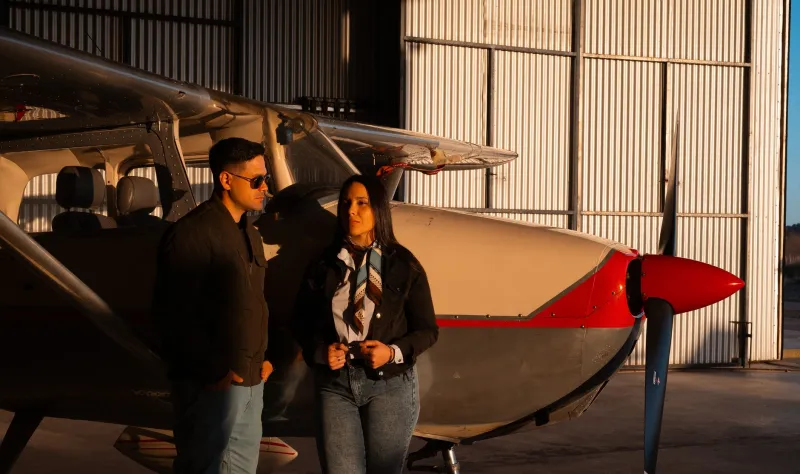
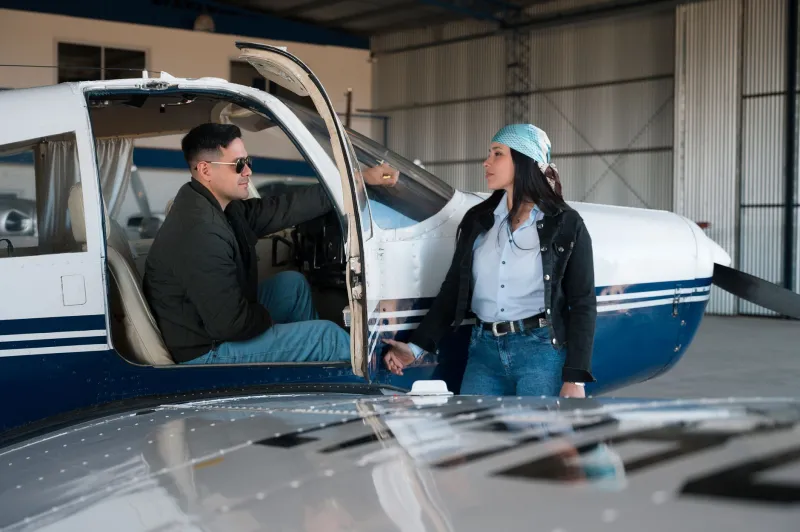
If the breakfast table is where introductions happen, the hangars are where real friendships get built. Wander into an open hangar at any decent-sized fly-in and you'll find small clusters of people doing what pilots do best — arguing respectfully about avionics choices, swapping horror stories about weather decisions, and occasionally getting genuinely philosophical about why they fly in the first place.
These conversations tend to run long. Nobody's checking their watch. Nobody's halfway listening while they scroll their phone. The aircraft sitting around you are a constant source of fresh topics, and the atmosphere — the smell of avgas, the sound of engines on runup, the occasional radio chatter drifting from the FBO — creates a kind of sensory immersion that makes it easy to stay present.
Pilots who are newer to the community often describe these hangar conversations as unexpectedly moving. It's not unusual to hear someone say they met their mentor, their business partner, or their best friend while leaning against a wing spar at a fly-in they almost skipped.
The Professional Connection That Doesn't Feel Like Networking
Here's something the aviation community doesn't advertise loudly enough: fly-ins are genuinely useful for professional life, precisely because they don't feel transactional.
The sport aviation world draws from an incredibly wide professional range — engineers, mechanics, doctors, teachers, software developers, farmers, lawyers, small business owners. When you meet these people in a flying context, you're seeing a version of them that isn't filtered through professional identity. You know them as pilots first. If a professional connection emerges from that, it tends to be built on actual mutual respect rather than strategic positioning.
Many pilots have stories about landing a contract, finding a business partner, or getting a job lead through someone they met at a fly-in. What makes these connections stick is that they started with something real. You already trust the person because you've seen how they approach something they genuinely care about.
How to Get the Most Out of Your First Fly-In
If you haven't made fly-ins a regular part of your flying life, here's the simple truth: just show up. You don't need to know anyone. You don't need to arrive in a particularly impressive aircraft. You don't need a plan.
Walk the flight line slowly. Ask questions about aircraft you don't recognize. Sit down at a table with strangers at breakfast. Wander into open hangars. If someone's working on something, ask if they mind explaining what they're doing. Bring a camp chair if the event runs into the afternoon — that alone signals that you're there to stay a while, and people will find you.
A few things worth knowing before you go:
- EAA chapter fly-ins are some of the most welcoming events in the country, especially for newer pilots. The Experimental Aircraft Association has chapters across the US, and their local events range from tiny grass-strip breakfasts to multi-day airshows.
- Oshkosh AirVenture is the big one — roughly 600,000 people over a week in Oshkosh, Wisconsin every July. It's overwhelming in the best possible way, and the camping on the grounds creates a village atmosphere unlike anything else in aviation.
- Regional and state fly-ins are often the sweet spot for genuine social connection. Smaller crowds, more time to talk, and a stronger sense of local community.
The Village That Keeps Growing
There's a reason sport aviation communities tend to self-describe in terms of belonging. Pilots talk about their home airfield, their chapter, their fly-in crew. The language is communal, and that's not accidental.
Fly-ins are the mechanism by which that community expands — the recurring events that keep bringing new people into contact with the folks who've been around for decades. Every great aviation friendship started with someone deciding to show up somewhere they'd never been before.
Networking events make you work for connection. Fly-ins just hand it to you — usually along with a plate of pancakes and a front-row seat to something beautiful taking off into a clear morning sky.