Four Wheels, Two Wings, One Budget: Cracking the Real Cost of Getting Your Own Aircraft
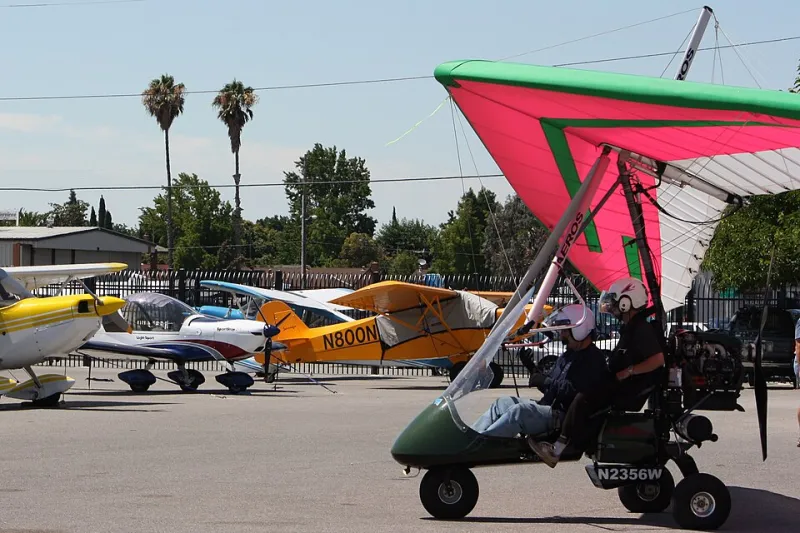
Photo: Cavebear42, CC BY-SA 3.0, via Wikimedia Commons
Somewhere around your tenth hour of flight training, the question stops being 'can I do this?' and becomes 'what am I going to fly when I'm done?' Then you start googling, and the numbers swing from $25,000 to $150,000 faster than a gusty crosswind.
Take a breath. There are really only three roads up here, and each one makes sense for a different kind of person. Let's walk them honestly.
Road One: Buying a Used Light Sport Aircraft
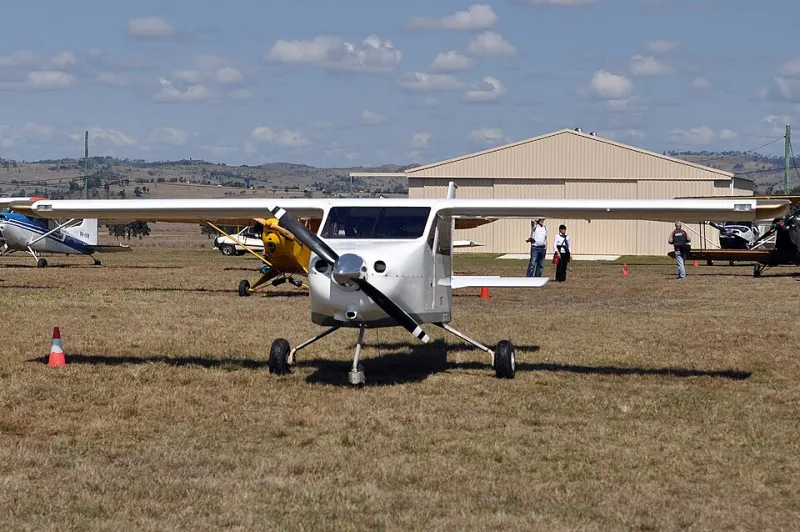
The used LSA market is the sweet spot for a lot of American sport pilots. Solid, well-maintained examples of popular types — think Cessna 162s, early SportCruisers, Evektors, and a rotating cast of kit-built E-LSA machines — regularly trade hands in the $40,000 to $75,000 range, with older or higher-time airframes dipping below that.
What you're really signing up for:
- Annual inspections (budget $1,500–$3,000 depending on the airframe and who you know)
- Insurance, roughly $1,200–$2,500 a year for a low-time sport pilot
- Hangar or tie-down, anywhere from $75/month rural to $400/month near a metro
- The joyful surprise budget line: tires, batteries, avionics quirks
All in, many owners report flying for $150–$250 per hour when everything's amortized — but only if you fly enough to justify it. The break-even versus renting usually lands somewhere around 50–80 hours a year. Fly less than that and ownership is an expensive parking relationship.
Best for: pilots who fly weekly, value availability over flexibility, and don't mind that their money now has wings and an annual.
Road Two: Renting or Joining a Flying Club
Rental rates for LSA-class trainers typically run $110–$160 per hour wet, and you walk away when the flight's over. No annual, no insurance headaches, no 3 a.m. worry about the hangar door.
Flying clubs — the unsung heroes of American general aviation — often beat rental on price by 20–40%, with monthly dues of $50–$150 plus hourly rates. Better yet, the good ones come with a built-in social scene: shared maintenance days, $100 hamburger runs, and a pool of people who've already made every mistake you're about to make.
The tradeoffs are real, though. Scheduling around other members, minimum checkout hours, and the occasional weekend when the airplane you want is booked solid. And that $40,000 you didn't spend? It stays invested, which — depending on your market luck — might outperform the airplane would have.
Best for: pilots flying under 50 hours a year, anyone still figuring out what kind of flying they love, and social creatures who'd rather share a hangar story than an oil bill.
Road Three: Building Experimental
The builder's path is the one that gets romantic — and it can genuinely deliver more airplane per dollar than anything else. A well-planned experimental build runs $60,000–$120,000 in parts, engines, and avionics, depending on how much you outsource.
The catch isn't money. It's the four-letter word: time. Realistic builds take 1,500–3,000 hours. At fifteen hours a week, that's three to four years of your life. Some builders finish in two; some kits become very expensive yard art. Be honest with yourself before you write the first check.
The payoff? You'll know every rivet in that airframe. Maintenance costs drop because you can do most of the work yourself under experimental rules, and performance per dollar often embarrasses certified iron.
Best for: hands-on types with patience, garage space, and a spouse who's genuinely on board (this matters more than the budget, ask anyone).
The Honest Comparison
| Factor | Buy Used | Rent/Club | Build |
|---|---|---|---|
| Upfront cost | $40–75K | ~$0 | $60–120K over years |
| Time to flying | Weeks | Days | 3–5 years |
| Cost per hour | $150–250 | $110–160 | Varies wildly |
| Flexibility | Total | Shared | Total (eventually) |
| Hidden cost | Maintenance surprises | Scheduling | Your evenings |
So Which One Is Yours?
Ask yourself three questions. How many hours will I honestly fly per year? Do I want the airplane to be a tool or a project? And how do I feel about writing a big check that doesn't come back?
There's no wrong answer — the sky doesn't care whether you rented, bought, or built your way into it. But matching the path to your life instead of your daydreams is the difference between an aircraft that brings you joy and one that sends you a bill for it.