Nobody Else Is Going to Save Your Airplane's Story
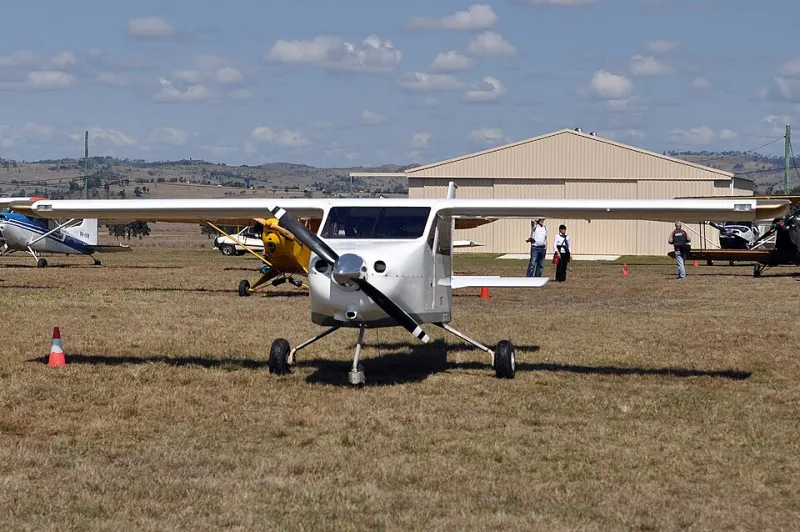
Photo: Robert Frola, GFDL, via Wikimedia Commons
Here's an uncomfortable truth from the hangar row: when the previous owner of your airplane handed you the keys, he didn't just transfer an aircraft. He handed you the only copy of a story. And most of us file that story in the same place we put the old charts — somewhere in the hangar, meaning to get to it.
We should get to it. Because aviation history isn't just the Wright Flyer in the Smithsonian or the B-17 tour stop at the regional airport. It's the 1946 Aeronca that a returning G.I. bought with his mustering-out pay, flew off a hayfield, and kept for fifty years. It's the Ercoupe that taught three generations in one family to fly. Those airplanes are still out there, still flying, and their paperwork — and their people — are running out of time.
You're the Curator Now
The moment you took ownership of an airplane more than a couple decades old, you became its unofficial historian. Museums can't take every Luscombe. The EAA's Vintage Aircraft Association can't send someone to your hangar. The institutional safety net for ordinary general aviation aircraft is, essentially, you.
That sounds like a burden. It's actually a privilege — and a surprisingly fun one.
Start With the Paper
Every airplane generates a paper trail, and much of it survives if you look:
- Factory records. Piper, Cessna, Beechcraft, and the LSA manufacturers all maintain archives or work with independent researchers who can pull the original build sheet — date of manufacture, original dealer, sometimes even the original color scheme. A letter on factory letterhead tying your tail number to a specific day in 1947 is worth an afternoon of emails.
- The logbooks. Read them. Not for airworthiness — for the story. Every entry is a date, a place, a name. The ferry flight from the factory. The annual signed by the same shop for thirty years. The gap in 1974 that probably means a rebuild, or a divorce, or both.
- The 337s and old photos. Major repair records tell you what went wrong and who fixed it. Old photographs tucked in the side pockets tell you what the airplane looked like when it mattered to somebody.
Record the Hangar Talk
Paper tells you what happened. People tell you why. And the people are the part with a hard deadline.
If you bought your airplane from the original owner or his family, sit down with a phone recorder and ask questions. Where did he keep it? What broke, what scared him, what made him keep flying it? If the previous owners are gone, ask around the field — the old-timers at the end of the hangar row remember your airplane even if they never flew it. Small-airport memory is long and generously shared, but it isn't immortal.
An hour of recorded hangar talk, transcribed and tucked in with the logbooks, is worth more to the next owner than a new interior.
Then Share It
Documentation that stays in the hangar dies in the hangar. A few ways to give the story legs:
- Your EAA chapter. Chapter newsletters and meetings are hungry for member airplane stories, and a ten-minute hangar-talk presentation is easier than you think.
- Type clubs and type-specific forums. The Aeronca, Piper, and Cessna communities maintain registries and histories that your airplane's details genuinely contribute to.
- A simple history binder. Factory letter, photos, owner timeline, a page of recorded anecdotes. Leave it with the airplane when you eventually sell. The next owner will either treasure it or, at minimum, not throw it away.
The Point
We spend a lot of energy keeping these airplanes airworthy. It's worth spending a little keeping them accounted for. An airplane without its story is just aluminum and fabric. An airplane with its story is a piece of the American landscape that still flies — and somebody, forty years from now, will be glad you didn't let the story get away.