Flying Together: How Couples and Flying Partners Are Sharing the Sky (and Loving It)

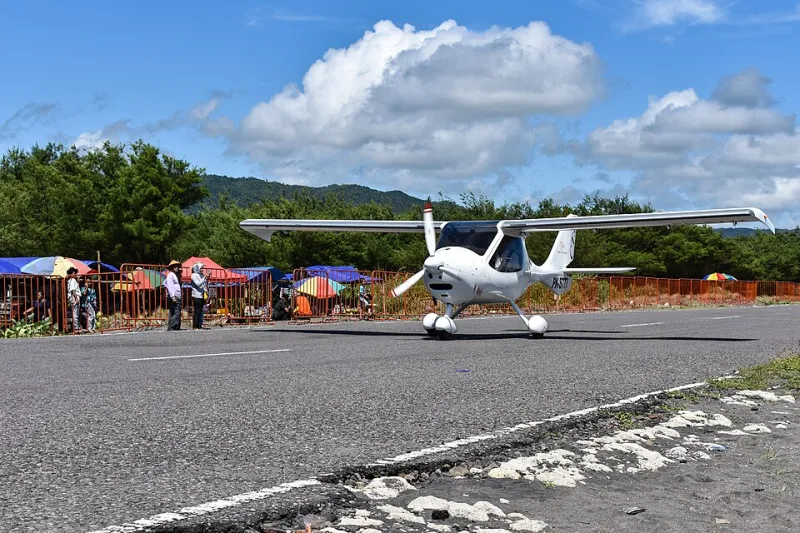
Photo by Photo by Horizon flights on Unsplash on Unsplash
There's a moment that happens in a lot of sport aviation relationships. One person gets the bug first. They start logging hours, talking about weather windows over dinner, and disappearing to the airport on Saturday mornings. The other person smiles politely and nods along — until one day they climb into the right seat, and everything changes.
That moment is happening more and more across the country. Call it the two-pilot lifestyle. Call it cockpit companionship. Whatever the name, sport aviation is increasingly becoming something people do with their partners rather than away from them.
Why Sport Aviation Is Built for Two
Unlike a lot of recreational hobbies, sport flying has a structural advantage when it comes to bringing someone else along: the aircraft itself. The majority of Light Sport Aircraft (LSA) are designed with two seats, side by side or in tandem, which means your passenger isn't watching from the ground — they're right there with you, headset on, watching the same terrain unfold below.
That proximity changes things. It's not like taking a friend to a ball game. You're sharing altitude, decision-making, and a view that most people never see. For couples especially, that shared experience tends to stick.
Terry and Marlene Oakes of Bozeman, Montana, started flying together three years ago when Marlene decided to pursue her Sport Pilot Certificate after years of riding along as a passenger. "I was tired of just watching Terry work," she laughs. "Once I started training, the whole dynamic shifted. We plan trips together now. We talk about weather together. It's become our thing."
Choosing the Right Aircraft for Two-Pilot Living
Not every LSA is equally well-suited for a shared flying life. If both partners are flying regularly, comfort, visibility, and accessibility all matter more than they might for a solo pilot.
Side-by-side seating is generally preferred by couples for obvious reasons — conversation is easier, you can share the controls naturally, and it just feels more collaborative. Aircraft like the Cessna 162 Skycatcher, the Flight Design CTLS, and the Tecnam P92 are popular choices in this category. Tandem designs like the American Legend Cub work beautifully for backcountry flying but can feel isolating on longer trips.
Beyond seating, think about baggage capacity if you're planning overnight adventures, avionics that both pilots can comfortably interpret, and whether the aircraft's handling characteristics suit pilots at different experience levels. A plane that feels twitchy to a newer pilot can create stress rather than joy.
Training Together: Easier Than You Think
One of the most common questions from aspiring flying duos is whether they should train at the same time or stagger their certifications. There's no single right answer, but many flight instructors suggest that training in parallel — even if not in the same sessions — has real advantages.
You build a shared vocabulary. You understand each other's hesitations. You can debrief together after flights and actually know what the other person is talking about.
Logistically, the main consideration is aircraft availability and instructor scheduling. If you're both using the same flight school and the same aircraft, you'll need to coordinate carefully. Some couples solve this by training at slightly different paces so they're not competing for the same slots. Others find a flight school with multiple similar aircraft and train back-to-back on the same days.
Insurance is worth a conversation with your provider before both partners start flying the same aircraft. Most policies will cover two named pilots, but premiums can shift based on total hours and experience levels. Get the specifics in writing before you assume you're both covered.
Building a Shared Adventure Calendar
Once both partners are certificated, the real fun begins: designing a flying life together.
Flying duos tend to approach trip planning differently than solo pilots. There's more negotiation, more consideration of what both people find rewarding, and often a more deliberate effort to mix flying goals with destination appeal. One partner might be chasing grass strips; the other might want a great restaurant within walking distance of the FBO.
The good news is that sport aviation destinations often deliver both. Oshkosh, Wisconsin during AirVenture is a favorite for couples who want to go deep on aviation culture. The fly-in community at Sunnyside Airport in Washington state offers stunning scenery alongside genuine pilot hospitality. Coastal hops along the Outer Banks of North Carolina combine beautiful flying with genuinely memorable stopovers.
Dave and Priya Nakamura, based out of a small airfield near Chattanooga, Tennessee, keep a shared spreadsheet of airstrips they want to visit together. "We each add to it independently," Dave explains. "Then we sit down every few months and plan out the next season. It's become this whole ritual."
The Relationship Angle Nobody Talks About
Pilots who fly with their partners consistently mention something that goes beyond the practical: shared flying seems to build a specific kind of trust. You're making real decisions together. You're reading the same weather, navigating the same airspace, and managing the same risks.
That doesn't mean it's always smooth. Learning to communicate clearly in a cockpit — especially when one person has more experience than the other — takes genuine effort. The same dynamics that show up in relationships on the ground show up at 3,000 feet, sometimes more intensely.
Several experienced flying couples suggest establishing clear roles before each flight, especially during the early stages of shared flying. Who's pilot in command? Who's handling the radio? Who manages the checklist? Having those conversations on the ground makes the air a lot more comfortable.
Getting Started
If you're a solo sport pilot thinking about bringing your partner into the cockpit more seriously, start simple. Invite them along on a local flight with no pressure and no agenda. Let them hold the controls for a few minutes in smooth air. See what sparks.
If they catch the bug, connect with a local flight school and talk through options for getting them certificated. Many schools have experience training couples and can offer practical advice on scheduling and aircraft choice.
The sky has always been a place where people find community. It turns out it's also a pretty good place to find — or deepen — your most important partnership.