Before You Ever Leave the Ground: What Your Pre-Flight Checklist Is Really Teaching You
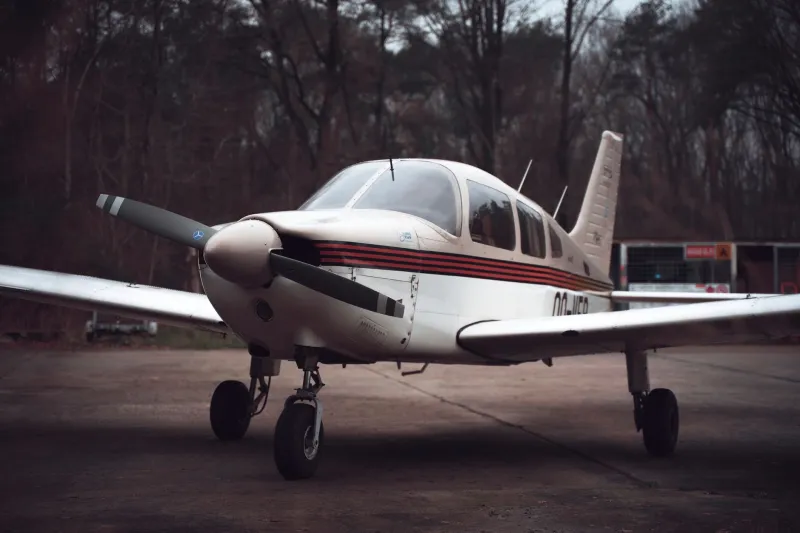
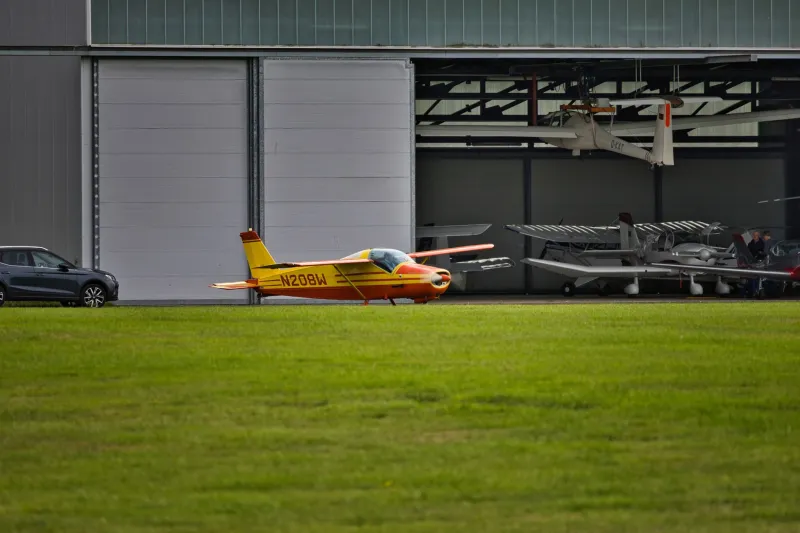
There's a moment that every sport pilot knows. You've pulled your airplane out of the hangar, the morning air is still cool, and you're standing at the nose with checklist in hand. Nobody's rushing you. The runway isn't going anywhere. And for the next ten or fifteen minutes, it's just you and the airplane, working through a sequence that hasn't changed much since you first learned it.
If you've been flying long enough, that sequence starts to feel less like a chore and more like something else entirely — a conversation, maybe, or a kind of quiet agreement between pilot and machine. And that shift in perspective? It's one of the most important things that can happen to a sport pilot.
It Starts as a Checklist. It Becomes a Habit. Then Something More.
When you're a student, the pre-flight inspection is basically a memorization exercise. You're trying to remember the order, hit every item, and not look clueless in front of your CFI. The checklist is a script, and you're reading your lines.
But somewhere around the hundredth pre-flight — maybe sooner, maybe later — something changes. You stop reading and start seeing. You notice that the left tire looks just slightly lower than last week. You catch a small oil streak under the cowling that wasn't there on Tuesday. Your hand finds the fuel cap, gives it a twist, and you already know before you check whether it's secure.
That's not magic. That's what repetition and genuine attention build together. The checklist didn't go away — it's still there, still useful — but now it's running in the background while your eyes and hands do the real work.
The Real Cost of Skipping Steps
Let's be honest about something: most of the time, skipping a step doesn't immediately cause a catastrophe. You forget to check the fuel sumps, you fly, you land fine. You skip the control surface check, nothing unusual happens. And that's exactly what makes shortcuts so dangerous — they tend to work right up until they don't.
The NTSB accident database is full of incidents that trace back to pre-flight failures. Fuel contamination that a quick sump check would have caught. A loose elevator hinge that a control check might have flagged. A pitot tube blocked by an insect nest — a classic that gets pilots every spring if they're not looking. These aren't freak accidents. They're predictable outcomes of predictable shortcuts.
For sport pilots operating light-sport aircraft, the margin for mechanical surprises is real. You're often flying lower, slower, and with less redundancy than a larger GA aircraft. That makes your pre-flight the most important safety system you've got.
Why Experienced Pilots Don't Skip the Checklist — Ever
Here's something that surprises a lot of newer pilots: the most experienced fliers at your airfield are usually the most disciplined about pre-flights. You'd think it would be the opposite — that all those hours would make the walk-around feel unnecessary. But experience teaches a different lesson.
Seasoned pilots have seen things. They've found cracked exhaust pipes, frayed control cables, and fuel caps left loose by the last person who topped off. They've had enough close calls — or heard enough stories from people who didn't get close calls, just outcomes — to understand that the airplane doesn't care how many hours you've logged. It cares whether you checked.
There's also a mental component that experienced pilots talk about openly. The pre-flight isn't just about finding problems. It's about transitioning your brain from whatever was happening in the rest of your life — the work stress, the argument you had this morning, the mental to-do list — into pilot mode. That walk-around is a reset. By the time you climb in and strap on your headset, your head is in the airplane. That matters enormously.
The Meditative Side of the Walk-Around
This might sound a little out there, but stick with it: there's a reason pilots who've been flying for decades describe their pre-flights almost the way some people describe a morning meditation routine. Same sequence, same pace, same intention. Deliberate. Present. Unhurried.
When you approach a pre-flight that way — not as a bureaucratic obligation but as a focused, intentional ritual — you start to pick up on things that a distracted walk-around would miss. The slight roughness on a prop blade edge. The faint smell of something that shouldn't be there. The control that moves just a hair differently than usual. Your senses are calibrated tools, and the pre-flight is when you put them to work.
Some pilots even describe it as the moment they start to feel genuinely connected to their aircraft — not just as a machine they operate, but as something they're in partnership with. That might sound romantic, but it has practical roots. An airplane you know intimately is an airplane you'll notice changes in. And noticing changes is how you stay ahead of problems.
Building Your Own Pre-Flight Standard
If you're still early in your flying life, here are a few things worth thinking about as you develop your pre-flight habits:
Always use the checklist, even when you think you don't need it. The whole point of a checklist is that it doesn't depend on your memory having a good day. Use it every time.
Go at your own pace. Pre-flights aren't a speed competition. If someone at the fuel pump is waiting, that's their problem. Take the time the airplane deserves.
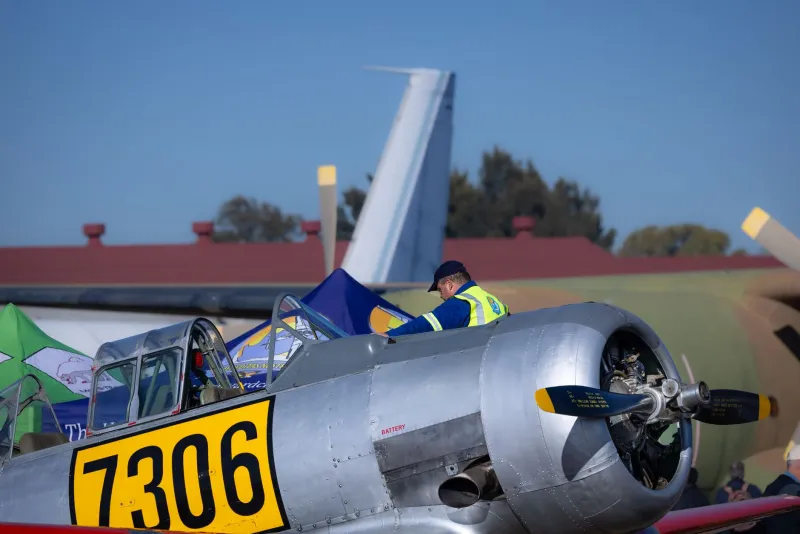
Touch things. A visual check is good. A visual-plus-physical check is better. Wiggle the control surfaces. Feel the tires. Get your hands involved.
Note what's normal so you'll recognize what isn't. Keep a mental (or actual) baseline of what your airplane looks and feels like when everything is right. That baseline is your best diagnostic tool.
Don't let good recent flights lower your guard. The airplane that flew perfectly last Saturday is the same airplane that could have developed an issue by Thursday. Fresh eyes, every time.
The Checklist Is the Beginning of the Flight
Here's the thing about pre-flights that doesn't get said enough: the flight doesn't start when the wheels leave the runway. It starts when you open the hangar door and start walking toward the airplane with your checklist in hand.
Everything you do in those quiet minutes before engine start sets the tone for what follows. A rushed, distracted pre-flight produces a rushed, distracted pilot. A focused, deliberate one produces a pilot who's already thinking clearly, already connected to the machine, already in the right headspace for whatever the sky has in store.
At Sport Aviation Village, we talk a lot about what makes sport flying special — the community, the airfields, the freedom of it all. But underneath all of that is the quiet discipline that keeps it safe and sustainable. The pre-flight checklist is where that discipline lives. Treat it like the ritual it deserves to be.